 EN
EN

Roll Film Thickness Basics For Food Grade Applications
Roll film is measured in microns, and a range of 12 to 200 microns is common for food grade roll film. Microns is the base unit of measurement for flexible packaging materials. For food grade roll films, the most important rule is to follow the global food contact safety regulations. The FDA 21CFR 177.1520 is the most cited regulation for international commerce, and it places a high emphasis on direct food contact safety. Because of this, thickness and roll film food applications cannot be a function-based decision. Our flexible packaging customers are able to do business in over 30 countries and regions safety, thanks to our 20 years of years of industry experience and adherence to regulations.
Thickness Options for Food Packaging
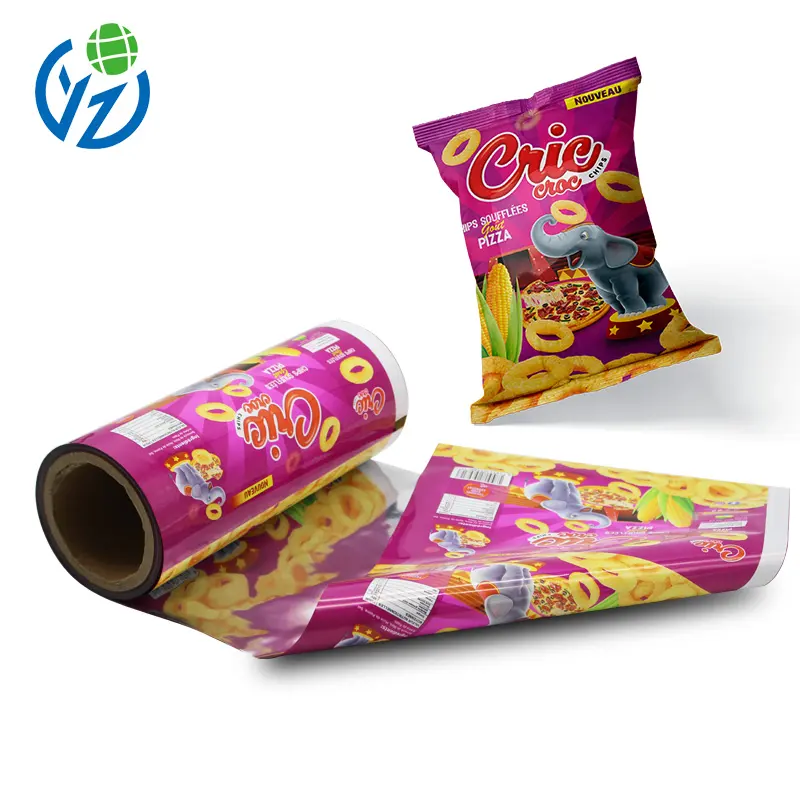
Given mass production with 8,000 kg of roll film produced every day, major thicknesses used for general food packaging lie within 2 ranges. When roll films are processed at 12 to 30 microns, they are used for packaging dry snack foods like tortilla chips, and for dried fruit and nut mixes. Custom printing can be done easily on light-weight films, and provides the snack manufacturer with a way to meet branding needs, while the film provides basic protection against dust and minor moisture. Films in the 30 to 60 microns range are preferred for packaging coffee, tea, and cereal spices. This thickness range provides better moisture and airtightness to keep the aroma of coffee and tea, and the freshness of dried cereals for a prolonged period of time. These standard thicknesses are very easy to produce, which helps food packaging manufacturers save on raw materials and mold changes.
Product Requirements Heavy Duty Roll Film
Product requirements for specialized food packaging offer the best protection/requirements offer the best protection in the form of heavy-duty roll films. Pet food and food packaging for sauces and oils need roll films in the thickness of 60 to 120 microns. Flat-bottom pouches used in pet food packaging provide durable protection for pouches during transport as well as storage. Also, in sauce and oil packaging, this thickness is valued for its leak-proof performance, especially in spout bags that allows easy pouring. For powdered milk and liquid beverages, the thickest food-grade roll films (120 to 200 microns) provide the best roll films. This thickness is the best for maintaining the nutrition of the milk powder and protects the pouch from punctures and leakage. Also, these heavy-duty rolls, that vary in thickness, provide good protection to improve and increase the shelf life of the end products. Furthermore, heavy duty roll films minimize waste of products in transit in the complete supply chain.
Thickness Selection Based on Performance Requirements
The thickness of roll film is directly related to their protective capacity. However, it is not the only consideration; material construction and coating technology must be considered in conjunction with thickness to achieve the optimum protective capacity. For food grade roll film, the three basic protective capacities are moisture resistance, barrier to air, and barrier to oxygen. Each of these protective capacities has a thickness minimum. For example, moisture resistant roll film for dried fruit must be at least 20 microns; for vacuum packed food, the oxygen barrier roll film must be no less than 50 microns. Flexible packaging suppliers recognize that the thickening of roll film with no purpose will only result in greater costs. Instead, it is the combination of optimal coating barrier with the appropriate thickness that is the rational way to address the film’s protective capacities. This rational approach is universally accepted in the flexible packaging industry and is the basis for achieving an optimum balance of cost and performance.
Balancing Thickness with Operational and Cost Efficiency
Choosing the correct roll film thickness involves a careful analysis of both operational efficiency and overall costs, a lesson we have learned after serving customers in over 30 countries. Film that is too thick may slow down bag-making and filling equipment, increase energy consumption, and create excessive wear on machine parts; in contrast, film that is too thin can result in high rejection rates during production and subpar product protection. Both equipment and the product being packaged determine the ‘sweet spot’ for film thickness. In film packaging, the right thickness can decrease material waste by 30% which is a significant cost saving for manufacturers. Achieving this balance on film thickness is more than a technical decision; it is a critical strategic choice that affects supply chain efficiency and profitability.
Innovations in Roll Film Thickness and Sustainable Packaging Objectives
Sustainability is the new driving force in the flexible packaging industry and the design of roll film thickness is no exception. Lightweighting is the new key design element. The industry is moving away from standard roll films and is instead opting for more lightweight films with high barrier coatings. These films help reduce the raw plastic material used while providing protection performance equal to, or even better than, traditional roll films. A case in point, a 30-micron roll film with nano barrier coatings provides the same oxygen resistance as a 60-micron uncoated roll film. The adoption of lightweight roll films aligns with the green packaging initiatives of consumers and with the sustainable policies of most nations. This provides an enhanced brand image and packaging carbon footprint. It is therefore no surprise that flexible packaging suppliers are focusing their R&D efforts and funding on food-grade roll film innovations.
Table of Contents
- Roll Film Thickness Basics For Food Grade Applications
- Thickness Options for Food Packaging
- Product Requirements Heavy Duty Roll Film
- Thickness Selection Based on Performance Requirements
- Balancing Thickness with Operational and Cost Efficiency
- Innovations in Roll Film Thickness and Sustainable Packaging Objectives