 EN
EN

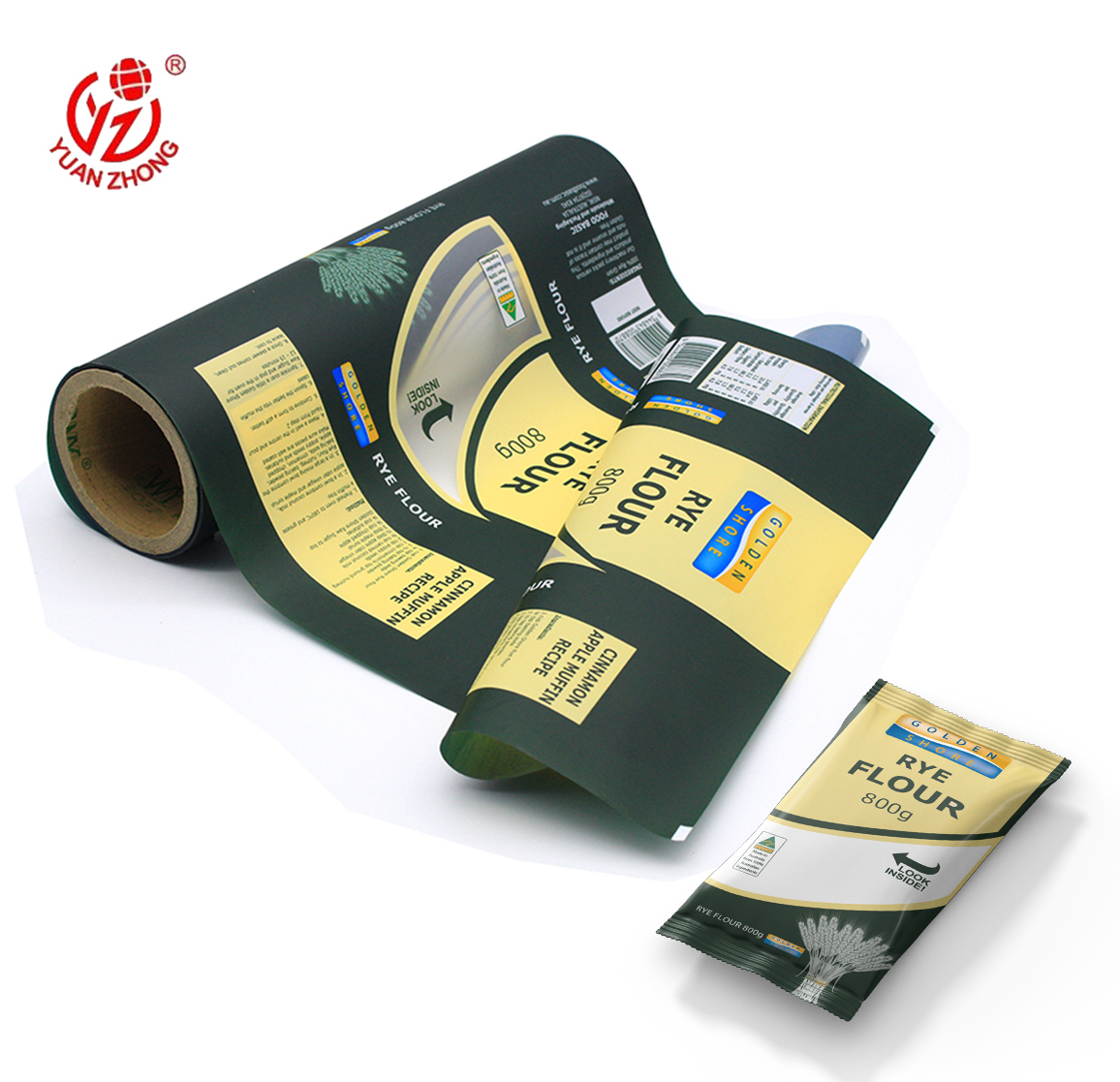
Packaging coffee is always a balance between retaining the coffee's freshness and the qualities of the coffee product while also meeting food safety standards. Having spent over 20 years in food-grade flexible packaging, my goal has always been to utilize a material's functional properties to the types of coffee product available. Coffee is a product that is very time sensitive and high in value, using the wrong material can create stale product and moisture damage, while also losing aroma... wasting the effort of coffee roasters and disappointing consumers. There are packaging material types that have established positive performance, compliance, and economic worth that are available to meet the various coffee packaging needs.
Basic Freshness Protection for Coffee Products Using Food Grade PET Films
Basic packaging for coffee products uses Food Grade PET Films because of their moisture resistance and ability to withstand high and low temperatures. All PET films for coffee packaging use moisture resistance and temperature stability to abide by and exceed requirements for the FDA 21CFR 177.1520. It is ideal for packaging design and coffee branding because it has reasonable prices for large quantities and can be used to set 8000 kgs of film a day. It protects moderately for 3 to 6 months of packaging, which means that it is a really cheap solution for everyday, basic coffee products for customers.
Aluminum Foil Laminates Seal In Freshness and Aroma
When it comes to the finest coffee beans and exotic roasts, the aluminum foil laminate is unbeatable in preserving freshness and aromas. Its multilayer foil laminate structure provides the best barrier to the three primary reasons for coffee staling—oxygen, light, and moisture. With staling as the biggest threat to the coffee’s freshness, aluminum foil laminates provide unrivaled Staling protection by blocking up to 99% of bag-level oxygen and capturing stale and off-odors to preserve the freshness and aroma of the coffee for over 12 months. This feature is ideal for preserving the distinct flavor of single-origin beans and small-batch roasts. In practical terms, coffee brands using aluminum foil laminates have noticed a considerable increase in their customer loyalty due to the reduction of stale coffee complaints.
Cost Effective Mass Packaging Solution for Coffee - BOPP Films
Coffee brands looking for mass packaging options for their products need look no further than BOPP films. BOPP films are lightweight, save up to 30% less packaging material than traditional rigid packaging, and are ideal for instant coffee sachets and coffee beverage concentrate packaging. Additionally, BOPP films have superior printability to competitors, allowing coffee brands to print high resolution images and attention-grabbing designs which can help sell the coffee products when they are displayed on a shelf. It is important to have packaging designs to attract the consumers’ attention on the coffee packaging to sell more of the products. When shipping and storage is a concern, BOPP films are also a great choice as they provide great sealability which will ensure that no coffee products, liquid or powdered, will leak.
New Easy Recycle Materials for Coffee Packaging
Today's coffee brands need to incorporate sustainability practices into their business. Recyclable composite blends help brands make sustainable decisions when it comes to their packaging. They provide 3-4 months protection from moisture and light for freshness while maintaining barrier protection. Customers are becoming more concerned about sustainability. With the use of recyclable composite blends, coffee brands are able to show their support for eco-friendly packaging. These materials are ideal for coffee brands that are mid to high range. They are able to incorporate their packaging goals while remaining functional. They also get a great marketing opportunity.
Finding good materials for your coffee bags goes beyond simplicity. You must also consider your future business plans, your target product, and your production capabilities. For example, you could use PET films for basic, high volume ground coffee, use aluminum foil laminates for high quality coffee beans that need to be protected from losing their aroma, and use BOPP films for cheaper mass packaging, and for newer brands that want to be eco-conscious, recyclable blends are also an option. All of these materials have the same basic characteristic - meeting global food safety standards. For many coffee brands, the materials that offer the best value are those that offer the best blend of functionality, regulatory compliance, and commercial practicality, i.e. providing protection to the coffee, satisfaction to the customers and promoting the business expansion of the brand.