 EN
EN

Core Packaging Design Principle: Regulation Compliance
The chief consideration in designing custom packaging is regulation compliance, particularly for custom packaging design for food-grade flexible packaging that comes in contact with food. The FDA 21CFR 177.1520 regulation is a baseline requirement for food contact plastic packaging. Therefore, custom food packaging design is qualified only after passing, with a qualified 3rd party, the relevant testing and certification. As a result of two decades in custom printing and flexible packaging, it can be concluded that compliance design is not a value-add, but a bar to be cleared for all of the production. The flexible packaging industry has placed high value in the market on the ability to produce 8000 kilograms of flexible packaging film daily, all produced under strict compliance with food-grade flexible packaging. From the past 20 years of experience, the industry has become accustomed to all aspects of the design process, production, and selection of materials to core compliance, with the hope that this would be the foundation of future custom design and flexible packaging.
Custom Packaging Technology Engineering for Various Industries
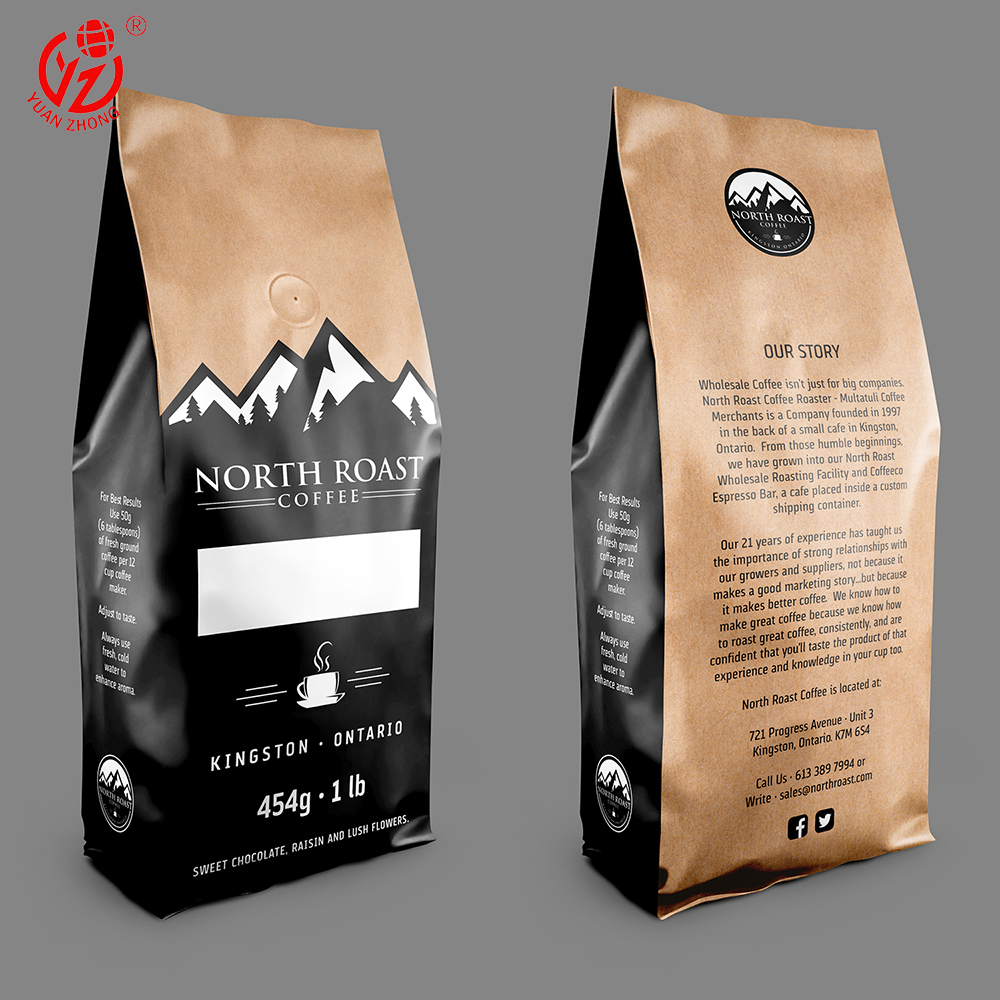
Each industry has its own functional standards for packaging, so custom packaging requires more material selection and craft engineering than just one-off custom packaging solutions. For instance, the dried fruit and nut packaging industry has the main requirement of moisture resistance and the preservation of the product’s freshness. Therefore, moisture proof flexible high barrier films with zippers which can be resealed to maintain a dry environment are standard in this industry. In the Coffee and Tea sector, the main focus is on the preservation of the product’s aroma. Therefore, the core packaging design structure is airtight seals, including three-side sealed bags and resealable zipper bags which are designed to be air contact free. For the packaging of sauces and oils, the main focus is on leakproofing, and spout bags, which have a special sealing design for easy pouring and leakproofing, are the ideal solution. In packaging for the Pet Food industry, the requirement is for the long-term preservation of freshness of the product, which is a key factor in the pricing of the food offered. Therefore, the design of custom flat-bottom pouches with zippers is intended to meet the storage requirements of the raw materials used in the Pet Food. These examples represent the results of thorough integration of packaging engineering and industry-specific functional requirements.
Global Standard Alignment for Cross Border Business
The custom packaging for cross border business has to comply with the industry standards of various countries and regions. Packaging suppliers with business coverage of over 30 countries and regions have accumulated rich practical experience in this regard. Regions have different control/ regulatory approaches in respect to contact materials with food. For example, there are environmental control regulations in the EU and there are control regulations in the North American market based on the FDA. The most important thing in achieving global standard alignment is the formulation of a consensus in standard operating procedures. This will enable the core production quality to be uniform while allowing different target markets to have variations in the selection, testing and compliance of the materials. The flexible packaging production system has an annual output of 2500 units, and will be able to resolve compliance packaging issues for cross border businesses.
Quality Assurance Protocols and Packaging Recalls
Custom packaging and packaging recalls go hand in hand with Quality Assurance which involves a system of processes from Raw Material Acquisition to Finished Goods Delivery. Acquisition of raw materials has testing done first to confirm all plastic films and assistant materials are compliant with food grade and/or industry-specific contact standards. Finished Goods are produced in batches, and each batch of produced packaging items undergo completion of a test (at minimum) which tests the sealing, protective, and barring abilities in order to confirm the packaging is compliant with industry standards. Beyond the basic standards of industry packaging, there are Green Development Standards and coms packaging help design packaging that is environmentally friendly and eco-compliant by the inclusion of recycled and BPA free materials. Whole-process testing is quality assurance and it is why custom packaging isn't a inspection halt on the journey of packaging, but a culmination of compliant processes.
Finding the Sweet Spot Between Industry Requirements and Brand Personalization
There are two major parts of custom packaging. Meeting industry requirements is the first. The second is the ability to enhance a company’s bottom line with the value added through innovation. Custom packaging can also be other things like creative structural designs and personalized packaging. An example is custom printed PVC shrink film. It is used in the beverage industry to seal bottles as its industry compliant and also displays the brand’s information. When designing packaging for food products, safety and freshness must be preserved. Unique food bags created with this in mind are compliant and enhance visibility. It is also industry compliant to use custom prints on stand-up pouches and spout bags. Designing custom products this way increases brand recognition and provides the company with added value. When combined with custom packaging, it is easy to see why brand focused design is important.