 EN
EN

Selecting the Right Raw Materials
The beginning of the process of making packaging roll films starts with the selection of raw materials. This step is central in determining the safety, durability, and overall quality of the roll films.The materials can include food safe polyethylene (PE), polypropylene (PP), and PVC. The type of raw material selected is usually dependent on the type of food to be packaged. For example, in the case of multi-layer PE films, they are moisture resistant and are used for packaging dry foods such as nuts and dried fruits. Coffee and tea, on the other hand, are packaged in high-barrier films made with barrier resins to retain their original smell. Manufacturers who are concerned about the safety and the environment will ensure they select raw materials to produce the packagings which is BPA- free as well as recyclable and aligns with today’s safety and environmental sustainability. The selection of raw materials is an indicator of the of the packaging intended for food contact and the environment in which the food will be preserved.
Extrusion: Making and Shaping the Film
Extrusion is the first and most important part of the process where raw materials are turned into a uniform film. First, specific resins are put into the screw extruder, and heated to a specific temperature, usually somewhere between 150° C and 250° C, where the resins are melted, without losing any important properties. Coated plastics are then pushed through a die, which is a specialized tool that determines the thickness of the film. The thickness can range from lightweight packaging to heavy-duty applications, and at the end of the extrusion line, there is a gauge that can be adjusted to limit the extrudate to a specific thickness, allowing for uniformity to be programmed throughout the entire roll. When producing multi-layer films, the advanced extrusion technology, known as co-extrusion, is applied. Co-extrusion can be combined with other materials and extruded in a single pass to produce films that have better barrier properties, increased mechanical strength, or flexibility. This is essential to ensure films are produced that resist moisture, oxygen, and temperature, which is important to keep food fresh.
Merging Functionality and Branding with Custom Printing
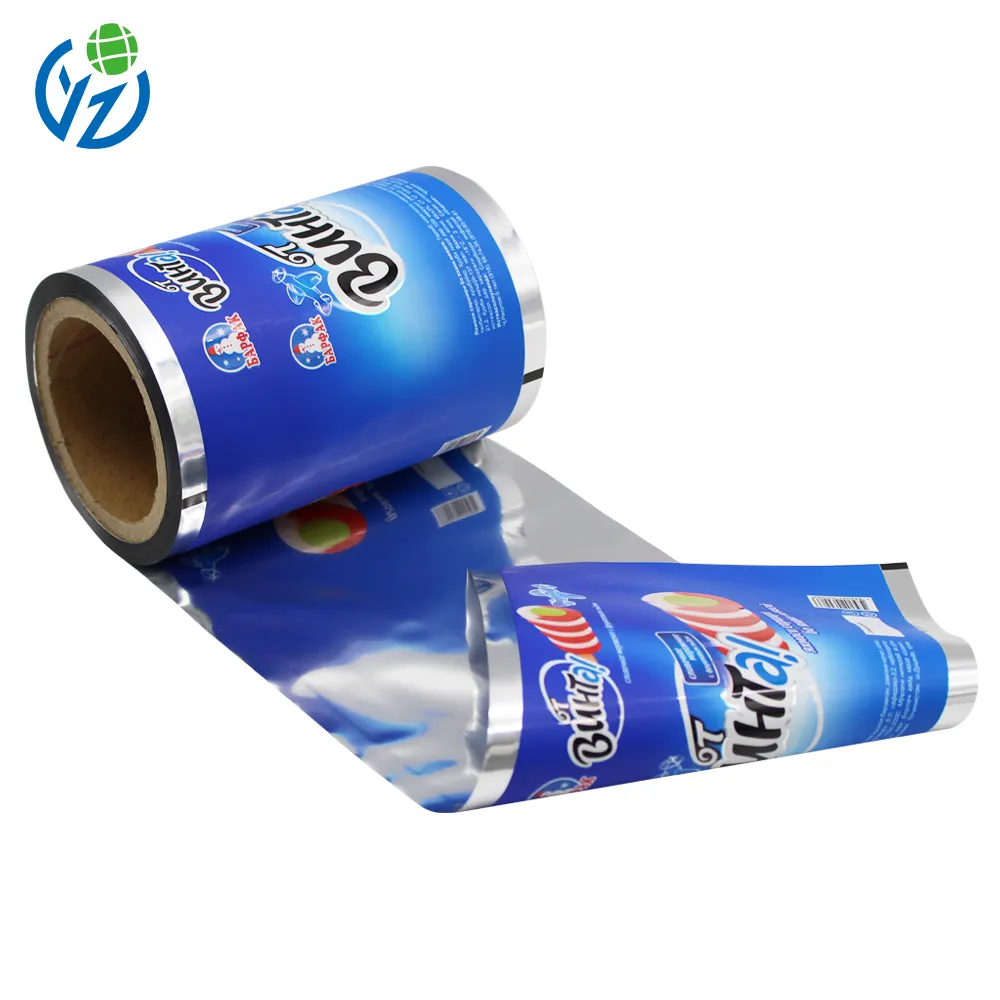
Custom printing means using branding as a way to package your products. The high-precision flexographic or gravure printing process is used to give the best reproduction of detailed logos and statements with the utmost clarity. The design to be printed is optimized using food safe inks to meet industry global and regulatory standards. The production schedule incorporates colors that are resistant to smudging or fading deterioration. For instance, a vibrant pack of printed snacks for the shelf will typically be balanced with subtle coffee packaging to highlight its quality. The production schedule incorporates colors that are resistant to smudging or fading. This quality and monitored printing creates an even ink distribution with no smudging or alignment errors that would compromise the packaging’s protective barrier. A protective barrier is just as important as the branding, and so your design should clearly communicate both.
Lamination and Coating: Enhancing Performance
Lamination is the process of bonding together several layers of film, each of which possess specific qualities, like a barrier layer that protects against oxygen, a sealant layer for easy packing, and a surface layer for printing. Coating is when a very thin layer of a specialized material, like a moisture-resistant coating, is applied to the outer layer of the film. Coating can also include applying a heat sealable layer for multi-use pouch reclosures. These processes are designed for the requirements of the product, like the pet food packaging that undergoes lamination to endure rough handling, and the beverage packaging that uses coating to avoid flavor transfer. The end result is a roll film that offers a good compromise between functionality, durability and ease of use.
Slitting and Quality Control: Consistency and Safety
The last processes include the continuous film being slit into smaller rolls, and the final stages of quality control. Using industrial slitters, quality lengths can be achieved and each roll is cut to specification. Rolls can be made to any width for an application, whether that is narrow rolls for low grade packaging or large rolls for industrial packaging. Quality control occurs at each step in the process. Through the use of prints, barriers, and safety documents, each roll is checked to ensure there are no issues with the thickness, print accuracy, or safety. By regulatory and safety documents, rolls are checked for tensile and tear strength, as well as food-safety adherence. Ultimately, quality rolls of film are made to be reliable and safe for the customers to use.
The Financial Benefits of Precision Manufacturing
Precision manufacturing focuses on the accuracy of the production process. In the case of packaging roll films, it means that with precision made films, packaging rolls can be produced in manners that translate into commercial advantages. For food and beverage brands, it means that films of lasting quality can extend the shelf life of food, reduce the likelihood of waste and customer complaints, and help prevent customer dissatisfaction. It also means that tailored designs can increase consumer loyalty by making brands more visible and helping products win in the competitive marketplace. Also, precision can be identified in the manufacturing processes. One example is the ability to manufacture 8000 kg of films in a day. For brands involved in global marketing, compliance to the manufacturer’s international quality standards and other safety standards means more opportunities to market and distribute the films. Overall, the safety, functionality, and branding opportunities are sufficient reasons for businesses to manufacture roll films to win the trust of their customers.