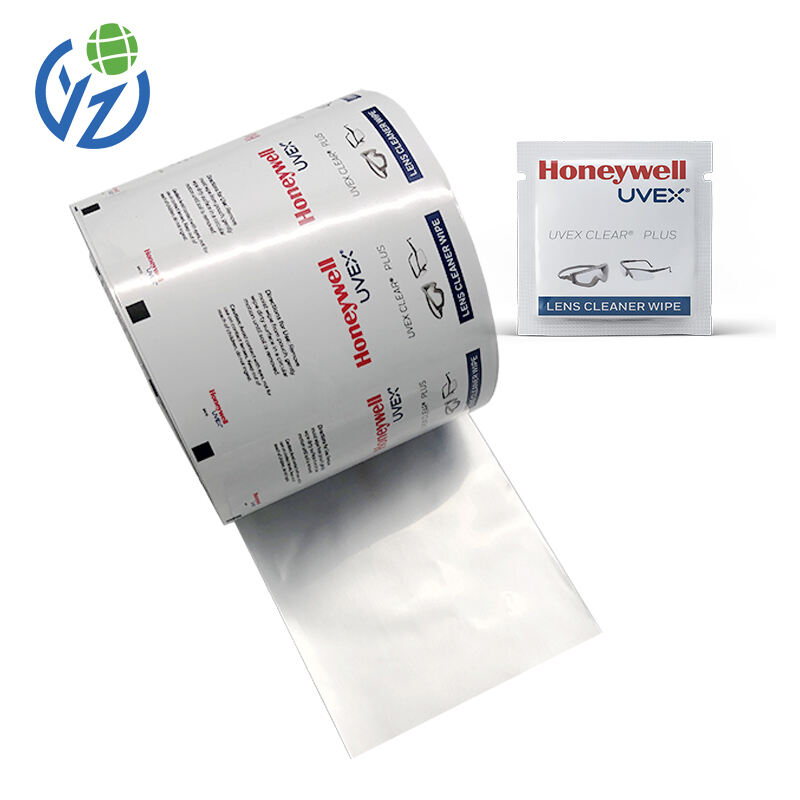
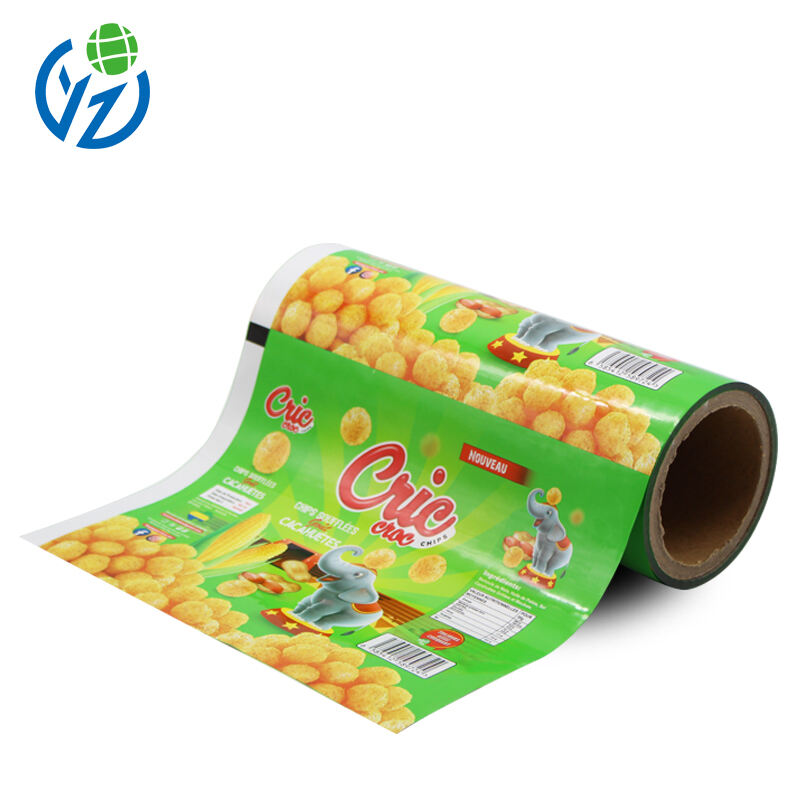
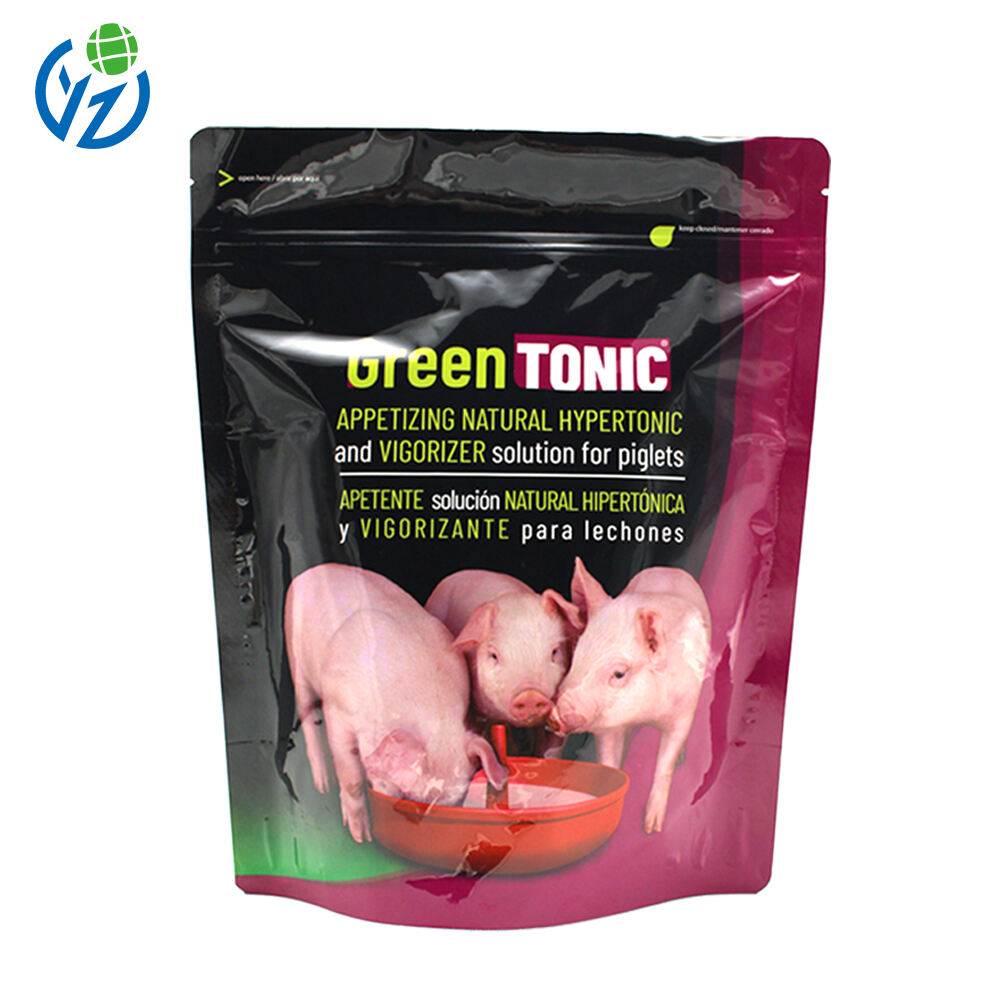
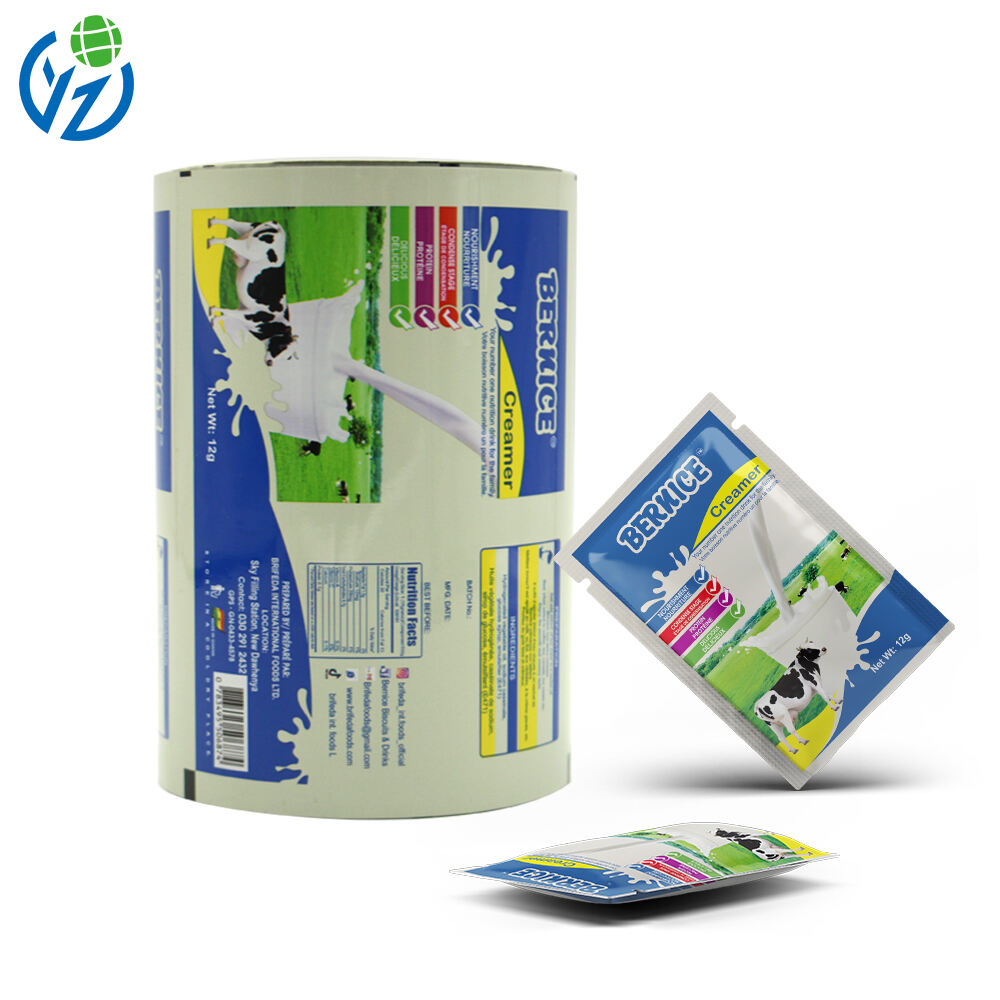
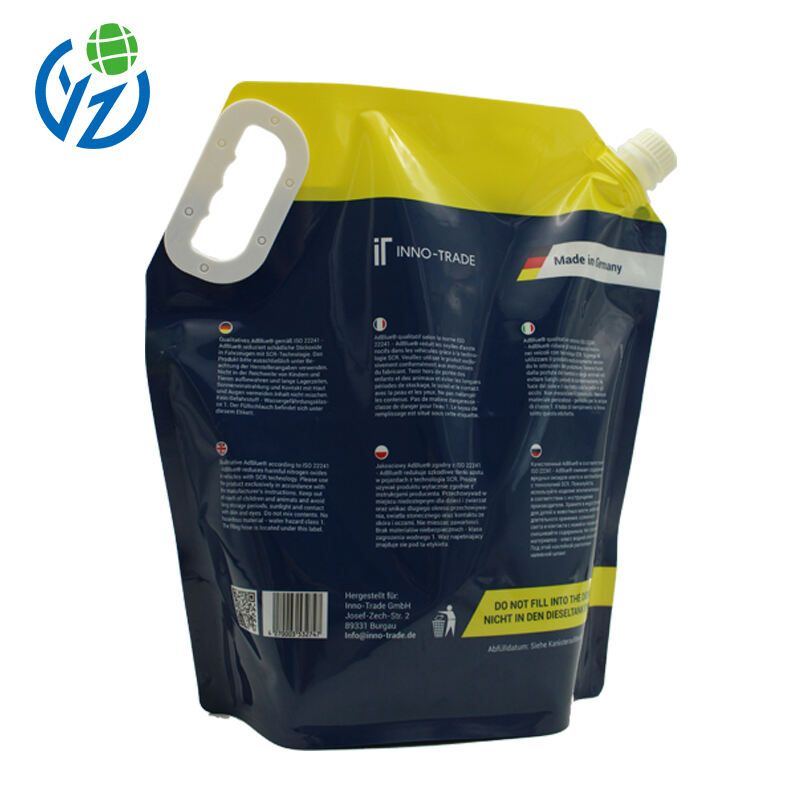
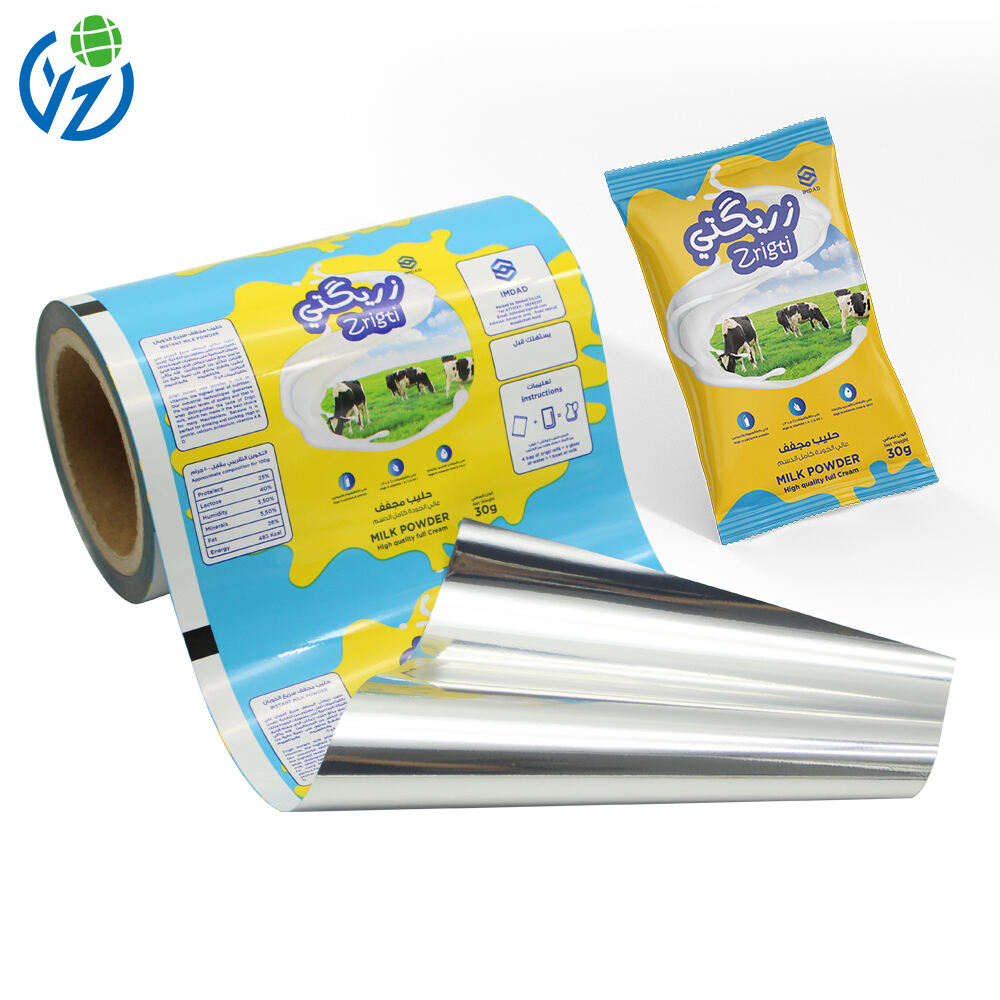
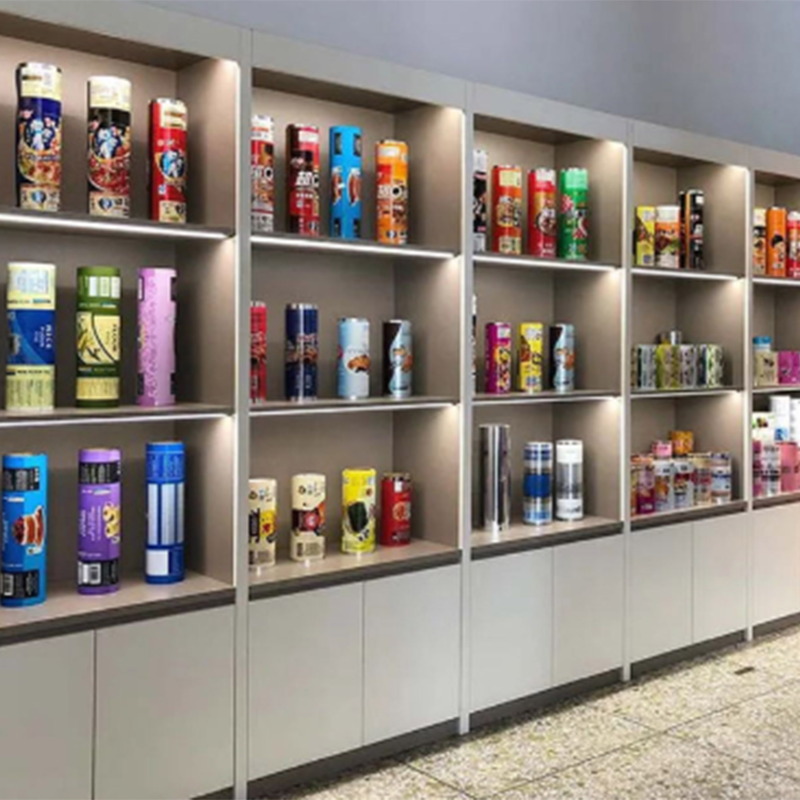
When it comes to flexible plastic packaging for food products, the biggest focus by far will be safety. This means no harmful plastic substances can be absorbed by food and no food safety regulations can be violated. For example, passing the FDA 21CFR 177.1520 safety standards is one way to show that your packaging is qualified to come into contact with food products.
Food-safe packaging should be used for milk powder, listed coffee, snacks, and beverages. Prolonged contact with the packaging means that the packaging should be free of BPA and other harmful additives. When food products are packaged, they should be able to withstand different storage conditions and be moisture, dust, and microorganism proof. Your packaging should comply with the International Food Safety Standards to ensure consumer protective packaging. This will also help your brand avoid legal and reputational consequences.
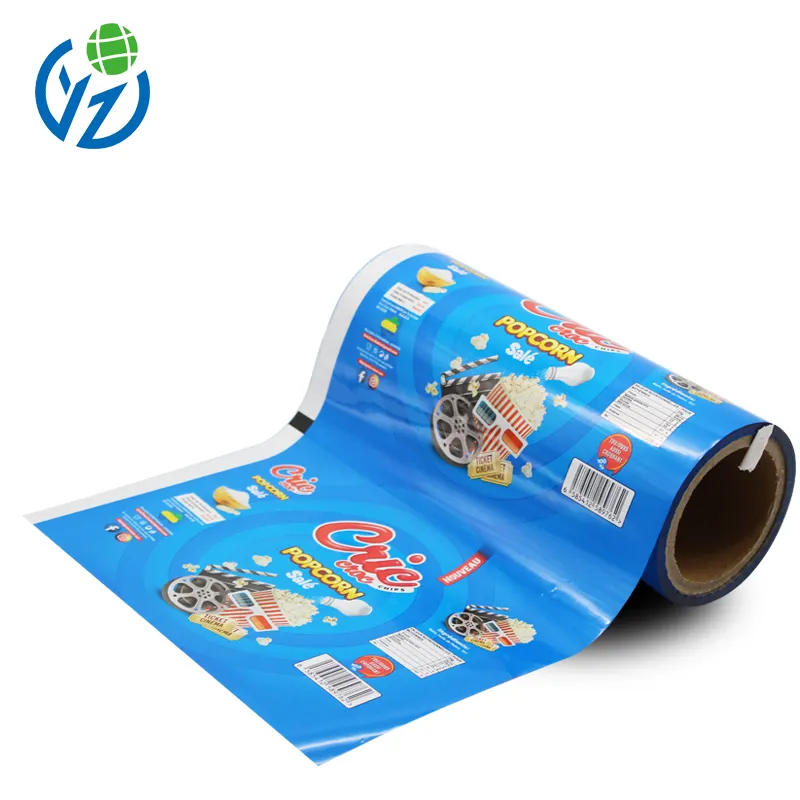
To ensure products are preserved and their shelf life extended, flexible packaging needs to be adjusted to the unique functional properties of the product. For example, packaging for milk and coffee powder needs to have excellent barrier properties against moisture and oxygen to avoid flavor loss and clumping. For these products, airtight seals are essential, and the resealable zippers allow consumers to maintain closure for periods post-opening.
Sauces, oils, and beverages are liquids and require leak-proof packaging. Secure closure spout pouches are great for this as they provide easy pouring and prevent spills. Snack food packaging, such as chips and dried fruits, also need packaging that provides moisture resistance and puncture resistance to maintain crunch and avoid damage. Each product has unique properties that require the right packaging, whether that be light, oxygen, moisture, or physical damage. Understanding these properties will allow for the best performance packaging to be selected.
How long something will last determines how well they protect something and how well a person experiences something. During the whole process of transporting something, flexible plastic packages must avoid ripping, puncturing, and breaking. This is very critical with bulk products and items that are shipped long distances.
Considering how something will practically be used packs a great deal of value. For instance, simple features like easy to open, resealable, and convenient spouts positively affect the experience. For example, stand-up pouches make the product easy to access because they provide balance on store shelves, which is better than flat bags. Also, the thickness of the packaging film should be optimized to balance packaging durability and cost-effectiveness; packaging that is too thin may lack protection, and packaging that is too thick may be bulky and expensive.
While flexible plastic packages provide a means of packaging which they protect the flexible packages also provide a means of branding that positively impacts the product. Through custom printing, brands can display logos, product details, and signage that articulate the brand vision, all of which provides great differentiation. Furthermore, impactful colors help with branding and provide a shelf impact, while contrast provides readability of the brand and important details.
Branding goes beyond just a companies logo, mission statement, and tagline. Sometimes the design and shape of the packaging work in conjunction with the branding itself. Sometimes the packaging is so unique that it makes a brand memorable, leaving a lasting impression. Nevertheless, it is crucial to find a balance between beauty and utility. Designing overly complicated packaging that detracts from its basic functions can drive production costs to unprecedented heights. Good packaging aligns with a brand's mindset, and inspires target customers to choose that product.
Sustainability is an integral part of the eco-friendly lifestyle that we are striving to achieve in society. Having regard to sustainability, flexible plastic packaging should cover the ranges of being eco-friendly, biodegradable, recyclable, or constructed from eco-friendly materials. Uses of recyclable films and pouches, or sustainable substitutes to conventional plastic, contain waste and minimize the carbon footprint.
Reduced consumption of resources can also be achieved with efficient, effective, and sized packaging. Disposability of packaging is also designed to be efficient by clearly indicating recyclable materials. Sustainable packaging is expected by consumers and, in turn, meets brand purposes and enhances the brand image of being eco-friendly. Brands can portray a greater level of social responsibility through the sustainability of their packaging.
For any product to be profitable, cost-effectiveness is crucial. When choosing flexible plastic packaging, understand the tradeoff to be made between cost and quality and ensure that all packaging requirements are met. Costs associated with materials, production, and logistics all help to determine the economic viability of production.
Using high-efficiency production packaging, like roll film for high-speed VFFS lines, saves on manufacturing time and cost. Also, lightweight packaging saves on shipping and overall transportation costs. The total cost of ownership is critical in decision-making. Properly costed packaging that performs as expected may help brands reduce the overall costs in their supply chains.
 Hot News
2025-12-23
2025-12-19
2025-12-15
2025-12-09
2025-12-04
2025-11-21
Copyright © 2025 by Yuanzhong Color Printing Co.,Ltd. — Privacy Policy
 EN
EN