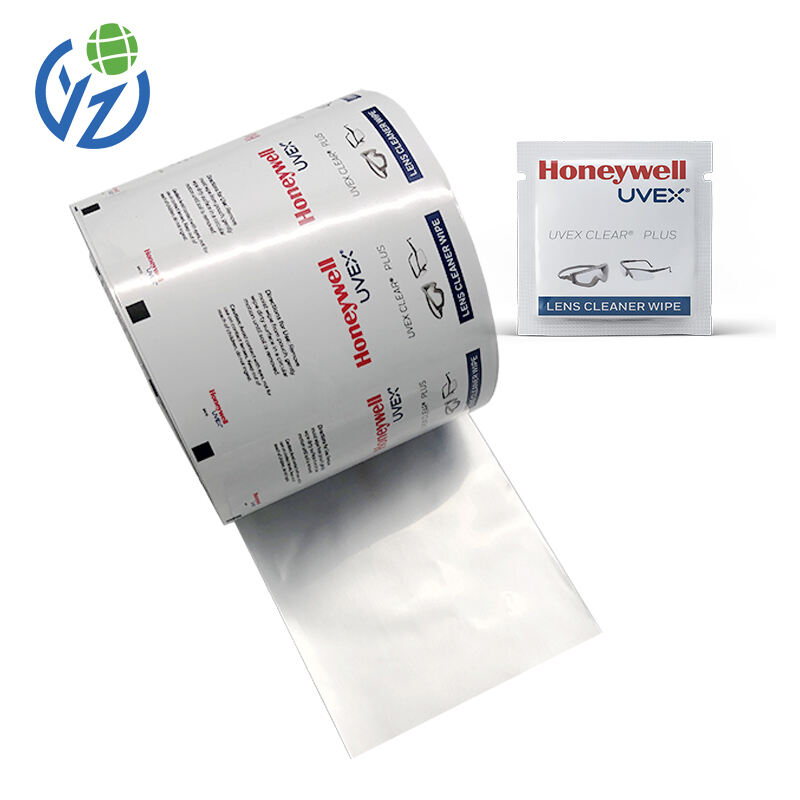
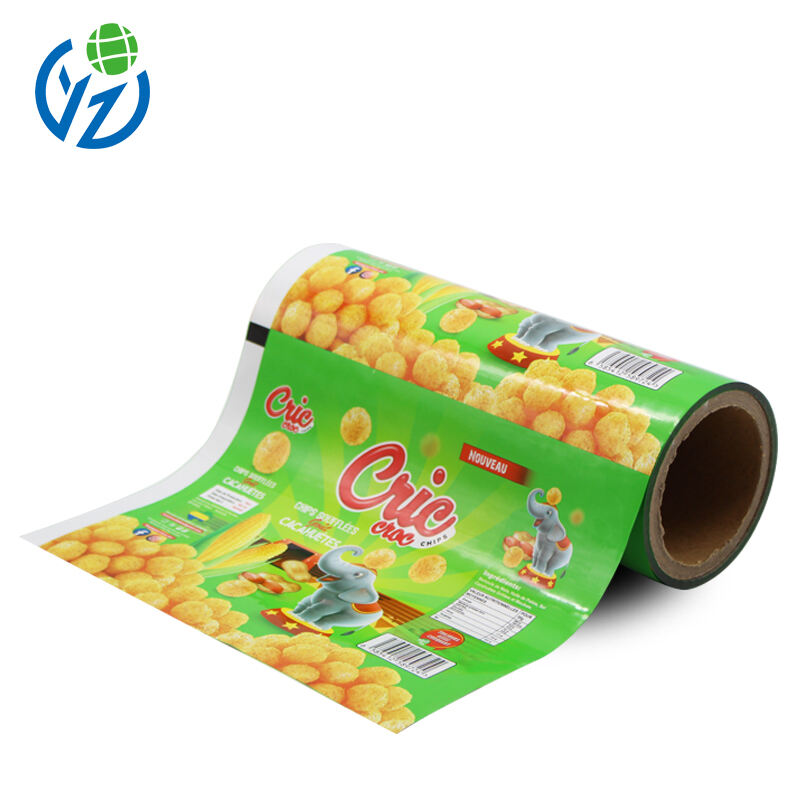
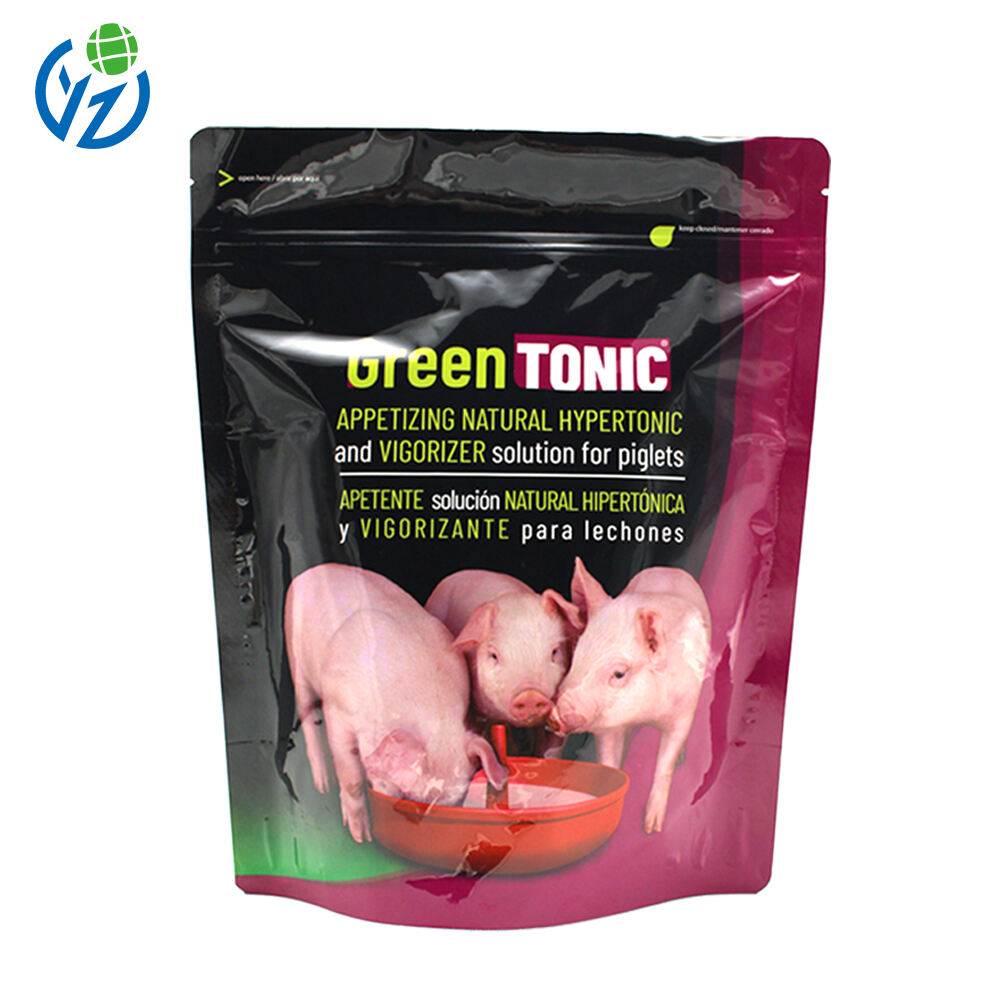
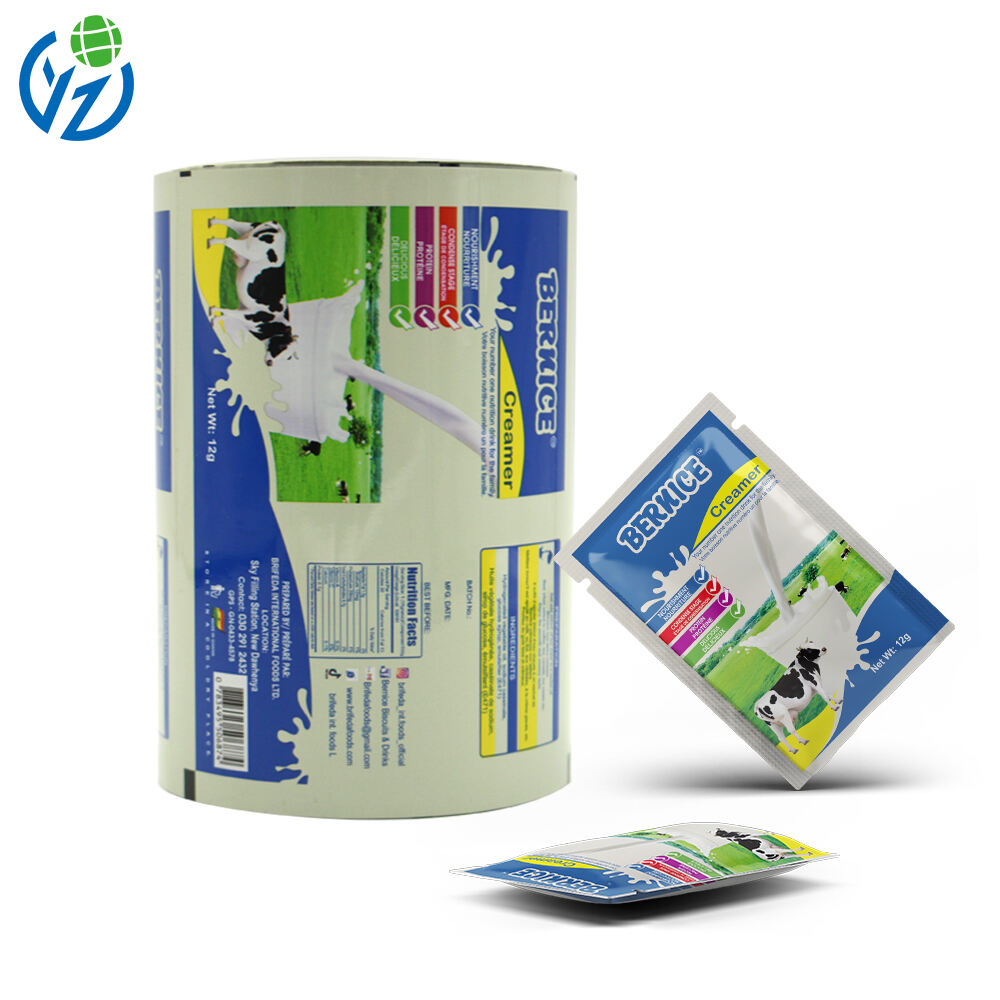
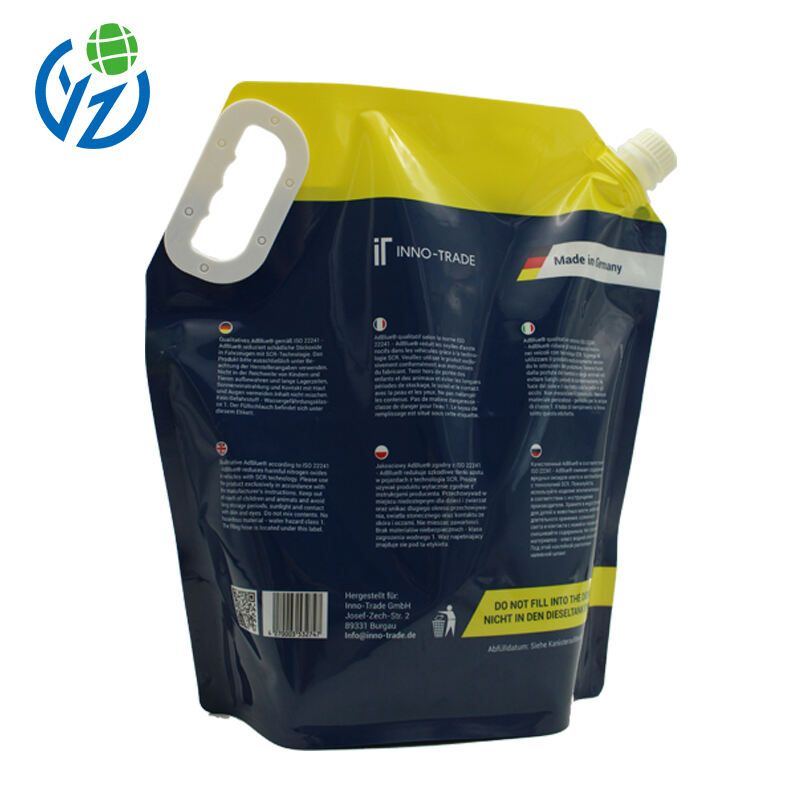
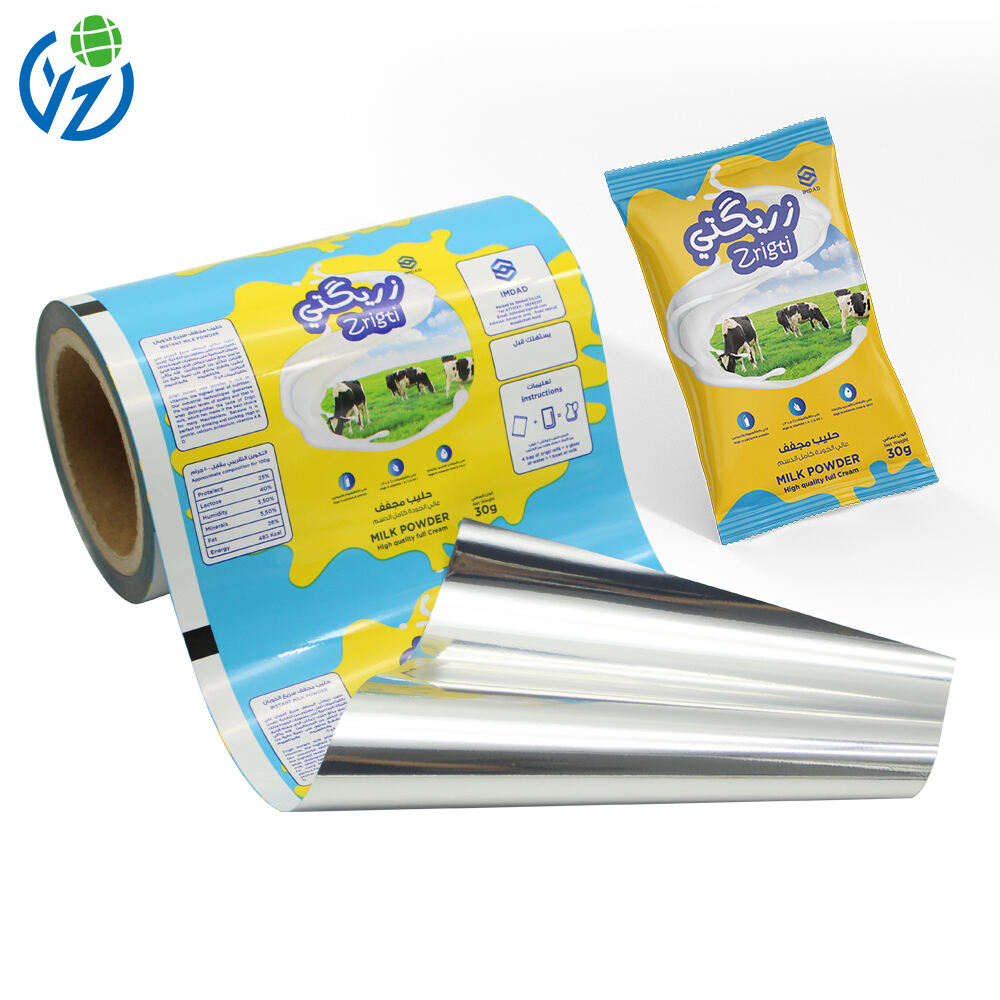
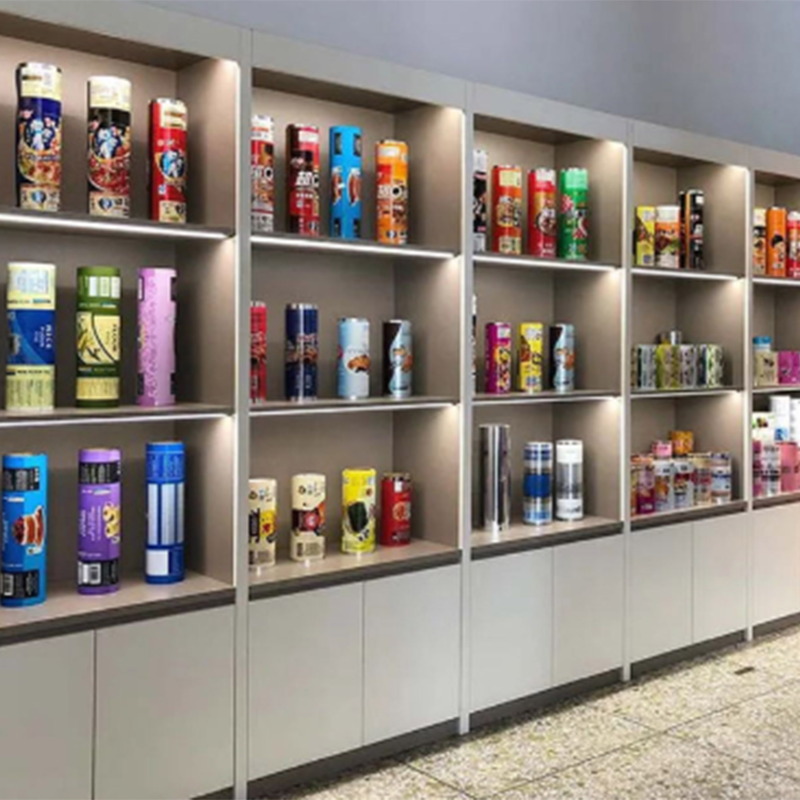
Food grade packing film covers more than the food protection layer. It actually covers the food quality, the customers confidence, and the business's bottom line. With the food safety regulations becoming more and more strict, the right food grade packing film has become a marketable necessity, and not a optional decision. The best food grade packing film is the one that covers all safety and legal requirements and at the same time, balances functionality, cost, and reasonable sustainable use. A film like that greatly benefits any size business.
Products like milk powder, cereals, and dried fruits are considered dry foods, and are highly sensitive to moisture. Exposure to moisture can cause clumping, spoilage, and loss of nutritional value. This is why moisture resistant packaging film is a necessity. It creates a tight barrier against humidity. It keeps dry products moisture and for longer periods of time. It is moisture and freshness preserving. This film works well moisture and being flexible and compatible with automated packaging lines, it ensures smooth production processes. From a cost perspective, it moisture damage cost products waste and food businesses a major expense. Its durability and reliability reduce. Over time, fewer replacements result in lower costs, long term higher durability, and overall value.
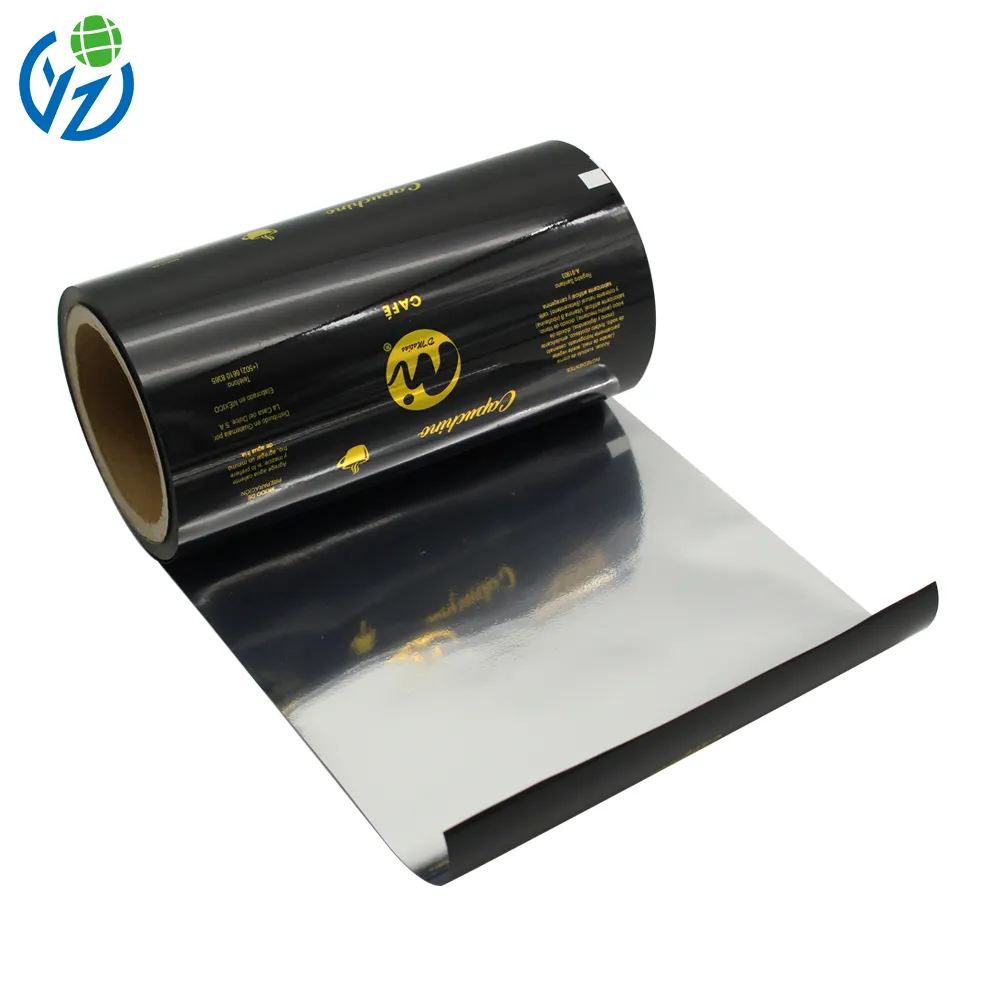
Items like tea coffee powder products and spices are mostly captive to their natural scent and flavors. Vertically integrated sealing film works to keep oxygen from entering the package During shipping, taste and freshness are locked in. For companies, this means more positive and fewer damaging reactions. The advanced sealing technology doesn’t increase costs. Instead, it improves the value of the product in the eyes of the consumer. The technology allows the company to maintain pricing at a competitive point without compromising the products perceived value. It represents a cost effective strategy for brands that position freshness at the forefront.
As people become more aware of the environment, the need for recyclable and BPA-free packaging has arisen more than ever. BPA-free recyclable packaging is one of the few packaging options that meets food safety standards and is environmentally friendly. Therefore, it is preferred by eco-friendly customers. It protects a wide variety of products, including beverages, liquid snacks, and even pet food, and it is leak proof and low impact. Its versatility is the reason for its cost effectiveness. Businesses that use various products do not need to purchase different types of packaging films, which lowers inventory and storage costs. Furthermore, enhanced packaging helps businesses use their brand in a positive way, which opens up new markets and increases customer loyalty.
All food products like bottled beverages sauces and other packaged items need packaging to protect and display the items well. Shrink film packaging hugs the shape of the container to give the packaging a clean, professionally packaged look. It is also scratch and dust resistant and protects products from small impacts, keeping items to perfect condition. Shrink film is also a great option because it is lightweight and cheaper than other forms of packaging, which is a great even more helpful perk if your company ships a lot of products. Shrink film packaging is affordable and makes products look good which is great for brands trying to make their product stand out without spending too much. It is a great option for food businesses because it is a perfect balance of functionality and cost.
You need oil, sauces, processed foods, and other perishable goods to have extra protection from oxygen, UV rays, and other external contaminates. High barrier packaging film offers extra protection against oxidation, loss of flavor, and spoilage. This enhances the product's shelf life and helps businesses broaden their distribution range while minimizing waste. This film is very valuable for companies in global markets, as it saves them loss of product quality over long-distance shipping. The loss from spoilage and product recalls is greater than the initial investment in high barrier film. This is a sound choice to protect the product and the business profit.
Advances in manufacturing technology improve machinery available to packagers and have resulted in dramatic cost efficiencies for flexible packaging films. New, more advanced in-line production technology allows production efficiencies that fully utilize available capacities and capital investments to produce large volumes of films more cost effectively. Costs of flexible films have fallen dramatically and are now available to companies of all sizes, including small and start-up businesses. Improvements in film and printing technology enhance the ability of newer systems to capture and utilize available waste streams, further improving production efficiencies and environmental benefits. Capital investments in newer technology production systems allow packagers and start-ups to achieve the desired quality of flexible packaging at an acceptable cost. International regulatory approvals for no-objection certifications further enhance the value of the technology.
Safety must always come first when selecting food packaging films. Make sure the films meet the general food contact standards to protect the customers. Then think about the particular aspects of the product, such as moisture sensitivity, aroma preservation and shelf life. Different products will warrant different protection, so it is required to meet the products with the right film. Finding the best price for the best functionality should be the goal. The film that is most expensive is not always the best choice. It should be a film that has a good compromise between price and functionality. Lastly, consider the sustainability. The choice of eco-friendly films allows you to reach the growing consumer segments and diversify with positive marketing.
Food packaging film is more than just covering and protecting merchandise; it's an intelligent business tool Too many businesses use film to meet a requirement when it could be increasing product quality and gaining customer loyalty through reduced costs and increased brand value Every type of packaging film caters to a different niche market, ranging from moisture resistance for dry goods and airtight sealing for fragrance-sensitive products to sustainability for eco-conscience brands. The best business practice is to optimize for high quality to maintain best margins, using technological innovations for best ROI. In food business packaging film can give a food product an edge over competitors.
 Hot News
2025-12-23
2025-12-19
2025-12-15
2025-12-09
2025-12-04
2025-11-21
Copyright © 2025 by Yuanzhong Color Printing Co.,Ltd. — Privacy Policy
 EN
EN