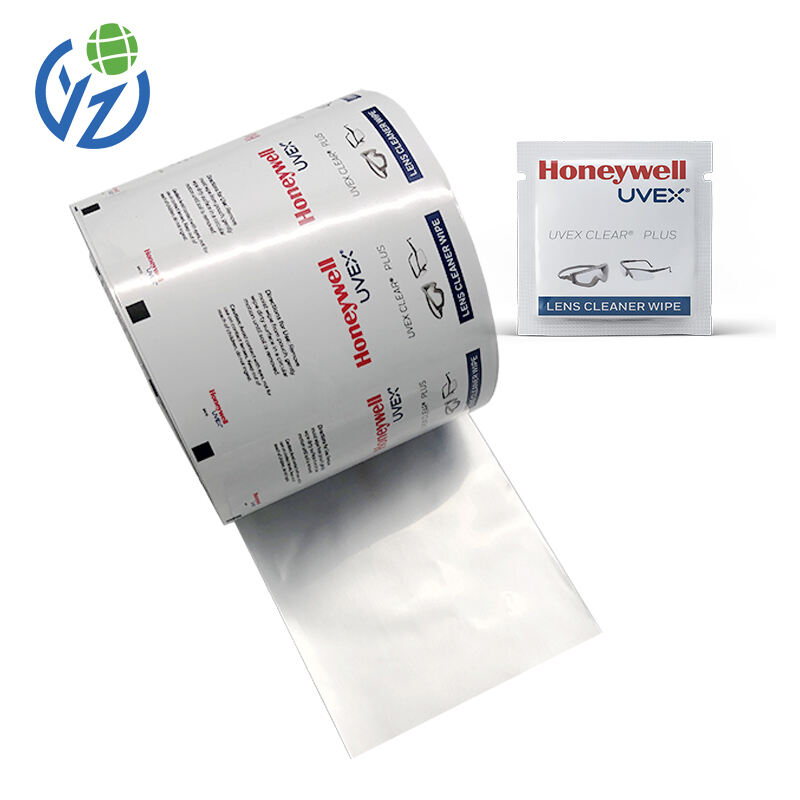
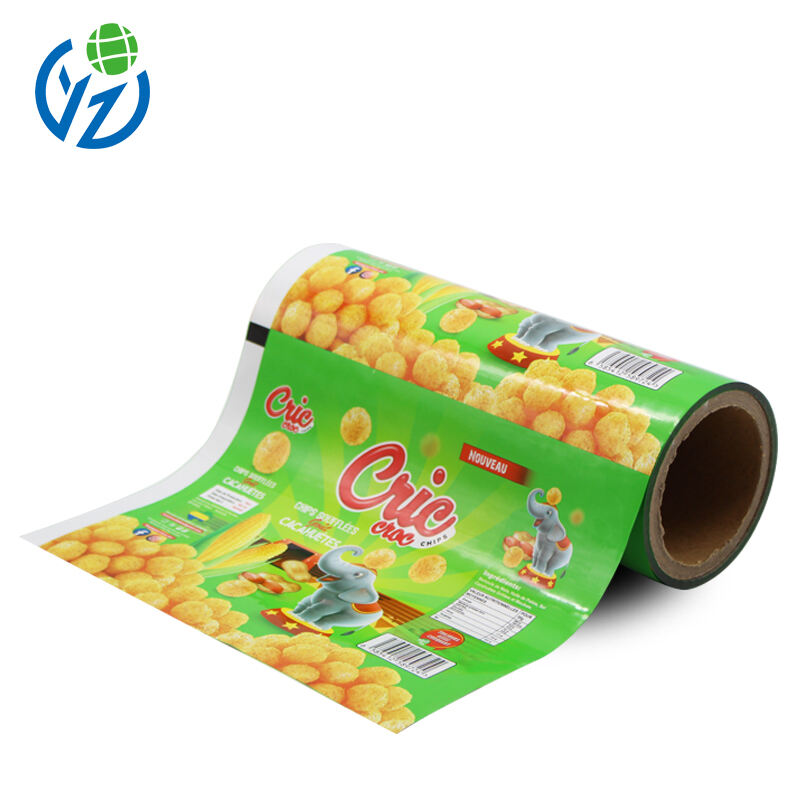
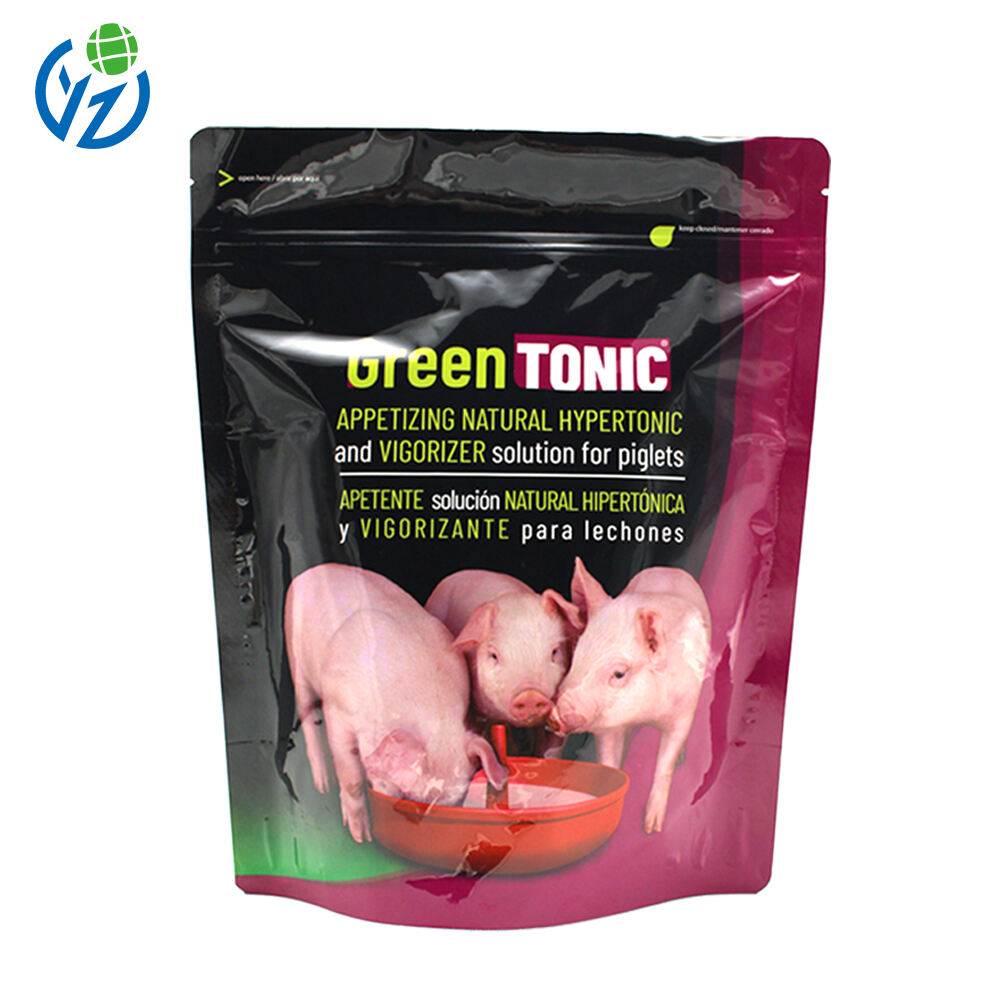
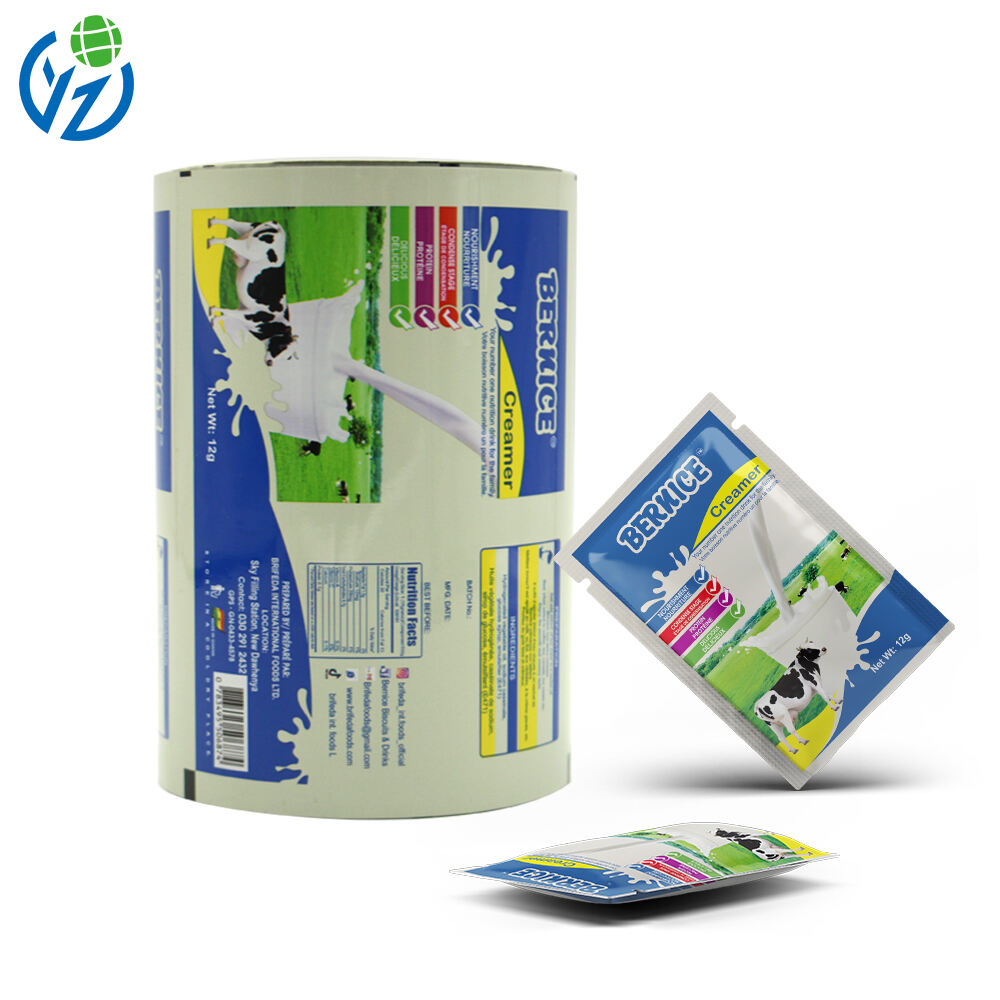
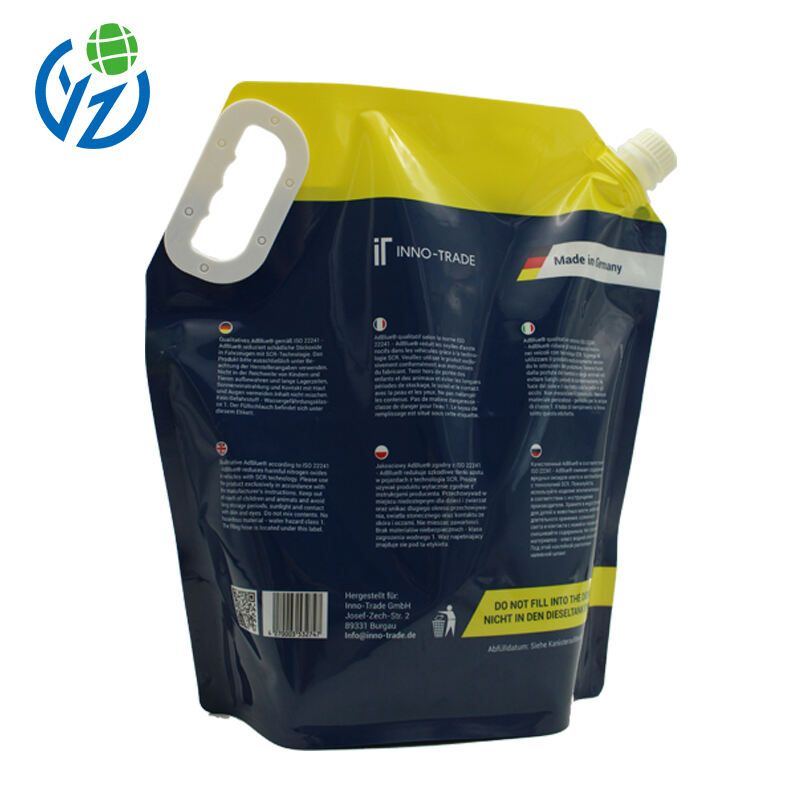
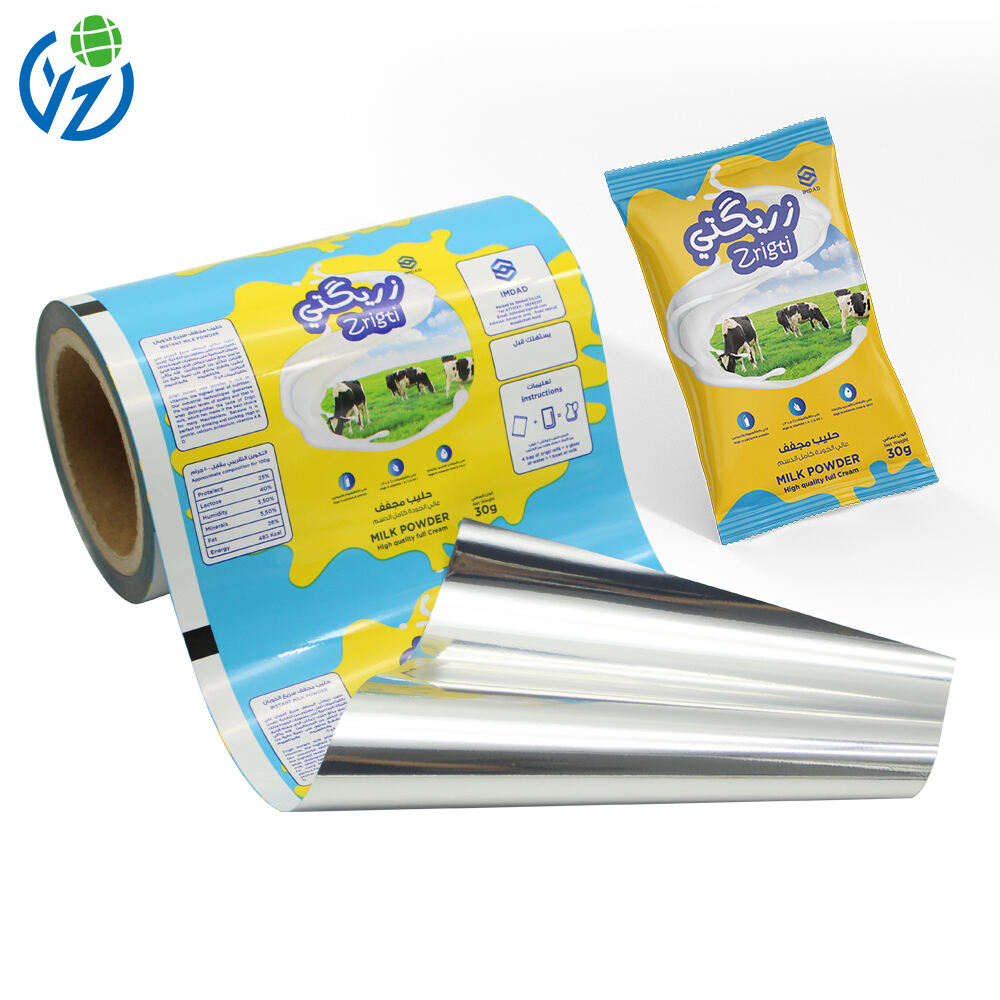
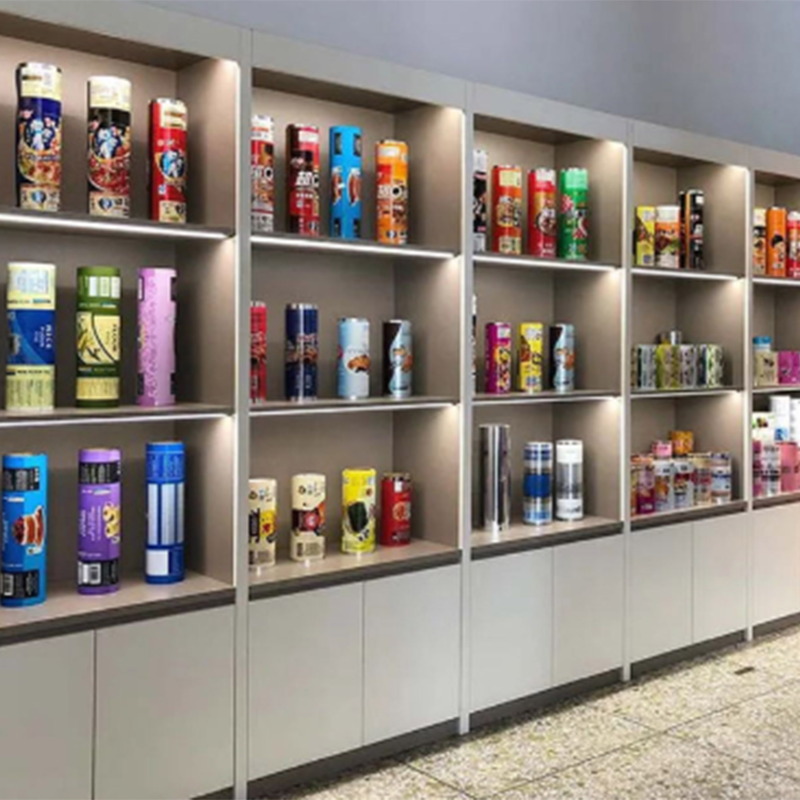
Products to be frozen necessitate strict safeguards against their perishability to maintain quality over long-term storage. Flexible packaging film demonstrates barrier technology at its peak, as it alleviates moisture, oxygen, UV rays. These items attribute food spoilage, freezer burn, nutrient loss. The film's multi-layered design creates a barrier, protecting frozen items, i.e. vegetables, meats, prepared meals, leaving them in peak condition. Unlike traditional packaging, films stick to items, maximizing air evacuated, thus, minimizing ice crystal formation, which detracts food quality. For businesses, this means fewer spoiled good returns, and a positive reputation that offers frozen items.
Frozen food packaging has to be able to endure the low temperatures of -18° C or lower and continue to hold firm. Flexible packaging film is made from materials that are able to bend at low temperatures and also do not become brittle and break from the cold. This reliability is extremely important during transport and storage when packages are stacked and moved and can encounter different temperatures. The film is able to keep its seal and not allow any leaks or contamination, meaning frozen food is protected from crossing over any production safe food to food that is not safe for consumption. This reliability also saves businesses money because they do not need to invest in extra protective packaging, in addition to the protective packaging they will need to use, and do not need to risk losing the product because the containers will become damaged.
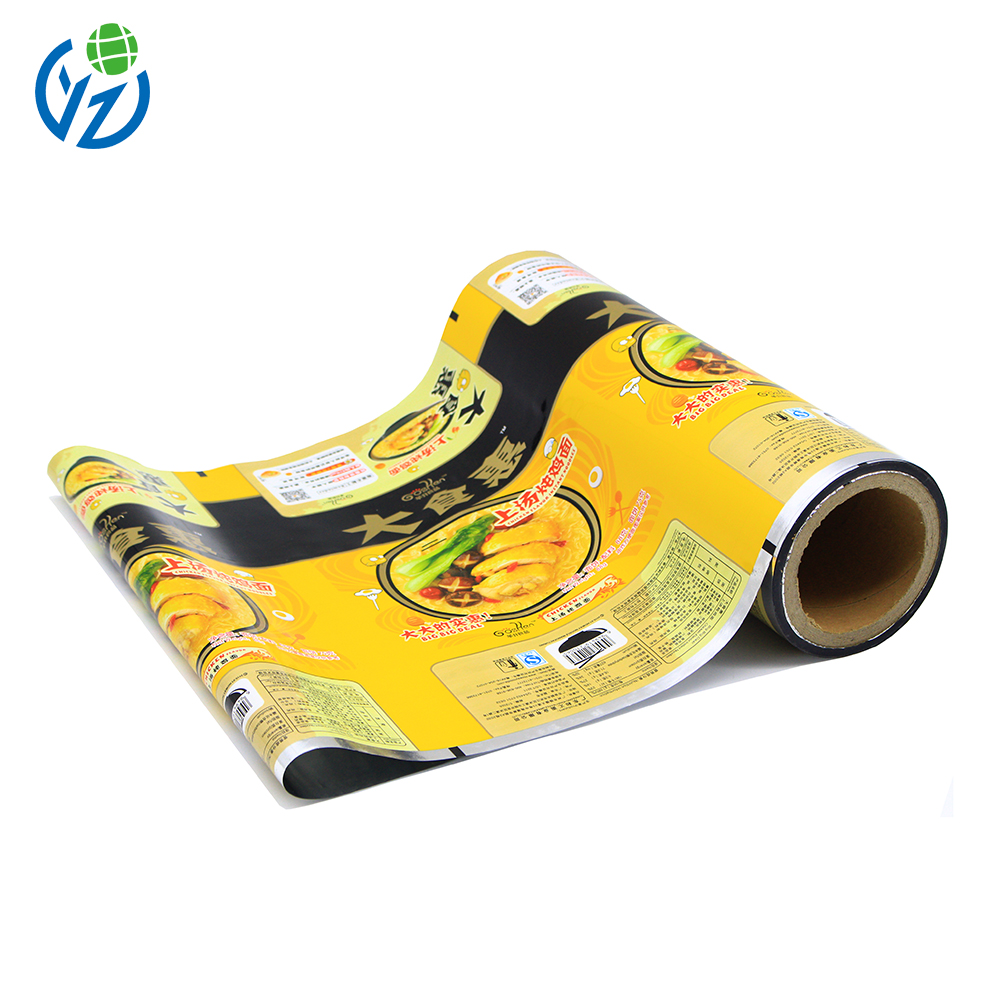
Low-weight flexible packaging films designed for frozen foods provide numerous benefits. Compared to standard rigid packaging options, which would include materials like plastic boxes or metal tins, flexible films add next to no weight to the total package. Although it may seem like this is a small detail, it severely limits the overall logistics expenditures. With lighter packages, more products can be logged and transported in a unit and thereby diminishing overall fuel expenditures. In addition, the flexible films packaging's compact form allows for relatively more efficient use of the storage space in warehouses and freezers and maximizes storage space, thereby diminishing rental storage expenditures. These savings, especially in logistics, can provide significant overall improvement to businesses.
Every business wants to save on costs, and flexible packaging film is one of the best business choices as flexible packaging film is one of the best choices to save costs. Flexible packaging film can be produced in highly efficient processes, often yielding hundreds of thousands of films a day at very low costs. Flexible packaging is also less bulky and uses less materials than traditional packaging. This quality of flexible packaging films produces lower costs for the business. This is especially useful for small and medium businesses as they can afford to purchase quality flexible packaging films. Flexible packaging films can also be custom printed on, so businesses can afford to create packaging designs that look professional, without the high costs of rigid packaging which requires custom expensive molds or tooling. All of these qualities of flexible packaging films make it a very good choice of packaging film for the frozen food brands.
If frozen food brands want to be successfully differentiated in today’s industry, shelf visibility is a core need. Flexible packaging film can help brands achieve that goal by providing unique customizations to enhance shelf visibility. These customizations can include providing packaging film that is custom printed with logos, product information, and other essential details. Additionally, packaging film can be tailored to distinctive product and variable sizes to detain any showcase design. Reclosure zippers may be added furthermore, to enhance consumer convenience, along with convenient tear options to increase overall product satisfaction. Should a brand take aim at a different portion of the globe, rest assured, the packaging design is versatile enough to meet varying cultural expectations and maintain product quality and visual appeal. Ad qualitative customizations to flexible packaging options and brands will be able to enjoy consumer recognition and loyalty, resulting in revenue growth.Sustainability Features Align with Market Trends
More customers today are concerned with buying products that are packaged sustainably. Flexible packaging film is environmentally friendly. And there are many recyclable options that use less materials than standard packaging, and therefore, have a smaller footprint. Plus, being lightweight means less carbon emissions during transport. This makes the supply chain more efficient as well. For companies, this trend can attract customers and make the brand feel more responsible. This ability to conform and adapt to market trends is important to growing the customer base and improving competition in the frozen food industry.
Integrating flexible packaging into your business practices is a no-brainer at this point. They check all the boxes. They are the best of the best. They are great for packaging frozen foods for all types of food services & food retailing because of their seal quality & especially because of their barrier qualities. They keep your food fresh and at a temperature of your choosing. They are lightweight and save you money. They help you advertise and let your brand speak for itself. They also help the ecosystem with their sustainable features. If you're trying to keep your customers happy at a reasonable cost, flexible for frozen foods is the best answer. They save your food and make you money. In the long run all frozen food brands want flexible packaging and are removing all frozen foods that are packaged otherwise.
 Hot News
2025-12-23
2025-12-19
2025-12-15
2025-12-09
2025-12-04
2025-11-21
Copyright © 2025 by Yuanzhong Color Printing Co.,Ltd. — Privacy Policy
 EN
EN