 EN
EN

Types of Packaging Film for Different Products
Packaging film plays a key role in keeping products fresh, protected, and visually appealing. With a variety of options available, each suited to different needs, it helps manufacturers choose the right fit for their goods. Here’s a breakdown of the films that excel with specific products.
Polyethylene (PE) Film
PE film ranks among the most widely used packaging films. Its soft, flexible texture and strong chill-resistance make it a go-to for frozen goods. You’ll spot it around frozen dumplings, mixed vegetables, and ice cream because it seals in the cold and prevents frost build-up. Beyond the freezer aisle, PE film works well for wrapping fresh bread, fruits, and lighter household items like toilet rolls. Its easy-to-tear edges also make it a handy choice for quick, everyday packaging.
Polypropylene (PP) Film
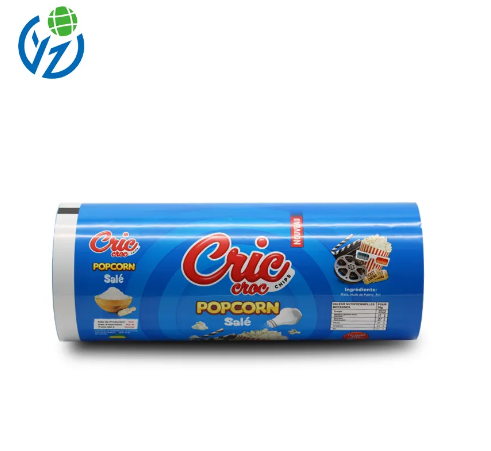
PP film has a firmer feel than PE, but it’s super clear—light passes right through it. That’s why it’s the go-to choice for snack packaging, whether it’s chips, cookies, or candy. If you peek through the shiny side of a chip bag, the bright, clear film you see is likely PP. It works equally well for small toys or stationery: the film keeps a nice, flat shape, repels wrinkles, and doesn’t let grease through, so an oily pizza horn stays spotless after the last bite.
Polyvinyl Chloride (PVC) Film
PVC film seals tightly—once it’s shut, air and moisture can’t slip in or out. That’s why it’s the standard for fresh meat, sausages, and soft cheeses: the film hugs the products, keeps moisture in, and prevents drying. If you spot those clear, snug wraps around fresh lettuce or carrots in the store, you’re probably looking at PVC. It’s worth noting, though, that it doesn’t handle heat well, so you won’t find it around anything that needs cooking.
Polyester (PET) Film
PET film is both sturdy and resilient, resisting tears and cuts, which is why it’s often chosen for labels on juice and soda bottles. The same strength protects small electronics packaging, such as phone chargers and headphone cables, from punctures during shipping. This film can also withstand higher temperatures than typical plastic films; that’s why some microwave meal trays use it, although they pair it with other materials for best performance.
Aluminum Foil Laminated Film
This film forms an almost impenetrable barrier. It combines a plastic film with a very thin layer of aluminum foil, which keeps light, air, and moisture from getting in. It’s why you find coffee, powdered milk, and instant noodles in these packages; the same protection also keeps dried fruits and nuts crisp and fresh. The packages feel a bit heavier and opaque, which tells you the barrier is working, letting the food stay good for months.