 EN
EN

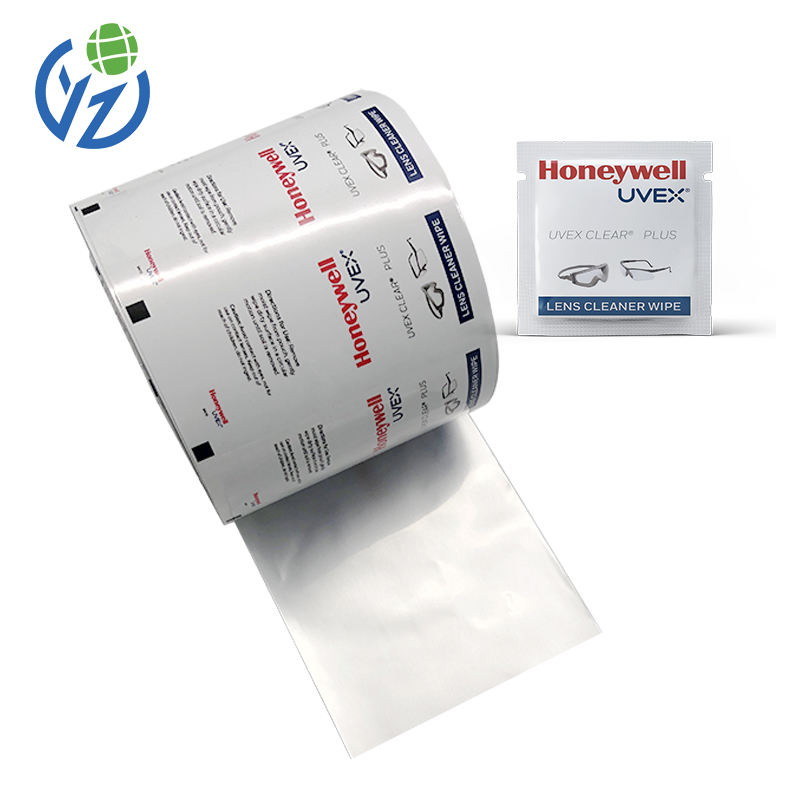
Flexible Plastic Packaging Offers Increased Cost Efficiency
Costs in packaging are critical for any business looking to improve their profit margins and Flexible Plastic Packaging (FPP's) lowest price reflects directly into savings across the entire supply chain. Rigid packaging uses a lot more materials, while flexible packaging uses a thin, flexible, and high-performance film to contain the products, and costs less to produce. Further savings are realized in storage and shipping costs. Rigid packaging takes up a lot more space and therefore costs much more to transport. Flexible packaging can be stored more efficiently (as it can be folded when empty), and therefore, can reduce the number of shipments required to transport a given volume of packaging. Several brands in the food and beverage industry reported savings upward of 30% in costs related to rigid packaging after switching to flexible packaging. These brands realized the opportunity to invest more into the quality of their products and their marketing campaigns.
Enhanced Product Protection and Freshness
When it comes to maintaining product quality, flexible plastic packaging has more technical benefits versus rigid packaging. Flexible films with advanced barrier technologies provide airtight seals to combat moisture, oxygen, and other contaminants, which is critical to maintaining the freshness and longevity of food, beverages, and pet food. For instance, tea and coffee lose aroma when exposed to oxygen, and pouches with airtight seals protect them more effectively than rigid canisters which have air gaps. Additionally, flexible packaging does not become brittle like rigid packaging in low temperatures, which aids the storage of frozen foods. During low temp storage, rigid packaging can lose seals and become harmful. Flexible options also conform to the product shape, reducing transit movement and damage, which is helpful with fragile snacks and powders.
Compliance with Global Safety Standards
Packaging, especially for food and pet products, must be trustworthy. Flexible plastic packaging is good because it meets all safety regulations. Flexible packaging suppliers stay compliant with rigorous standards like FDA 21CFR 177.1520, which means all packaging materials will be food safe and without bad chemicals like BPA. Supplier compliance is proven with third-party tests that satisfy businesses and customers. Rigid packaging is sometimes compliant, but has thicker and riskier plastic. Flexible packaging offers safety with food-grade materials that reduces other packaging risks. For brands in many countries, flexible packaging creates trust with customers and is safe to represent compliance with varying global safety standards.Consumer Attraction and Sustainability
Today’s market pushes for increasing eco-consciousness and sustainability from both sides of the spectrum, from flexible plastic packaging, the modern flexible packaging, recyclable, low resource and lightweight compared to rigid options. When a company utilizes flexible packaging, they reduce the materials they use to create the packaging. This also means that there will be low energy input during company production and decrease of resource usage for transportation. Reducing landfill waste is a sustainable effort that flexible packaging also contributes to. Sustainable flexible also contributes to the branding and marketing side of the company. It offers a lot more design options for different pouches or containers, the custom printing options for branding is a lot more than compared to rigid packaging. Customers also get more convenience from flexible packaging. Flexible packaging is more user-friendly, and everyday use is more convenient with a flexible packaging, clean, easy-to-pour flexible packaging is a lot easier than a rigid packaging.
Scalability for Growing Businesses
Flexible plastic packaging is suitable for companies of all sizes, including small businesses and large corporations, because it is easily scalable. Custom-printed pouches and large-volume rolls of flexible packaging film can be baked in varying quantities because the production process is easily modifiable. In contrast, in the case of rigid packaging, smaller businesses encounter production requirement lead times in which the minimum order quantities are too high. Flexible packaging manufacturers can produce tens of thousands of kilograms of film each day, and for large-volume flexible packaging orders, production lead times will be greatly improved. As a result of flexible plastic packaging, high standards can be maintained in quality and delivery times, allowing small businesses to flexibly scale. For brands launching new products or expanding to new locations, flexible plastic packaging provides a considerable competitive advantage in the ability to meet rising demand and other market variables. Adjustments to the design and quantity of packaging can be quickly and easily accomplished.