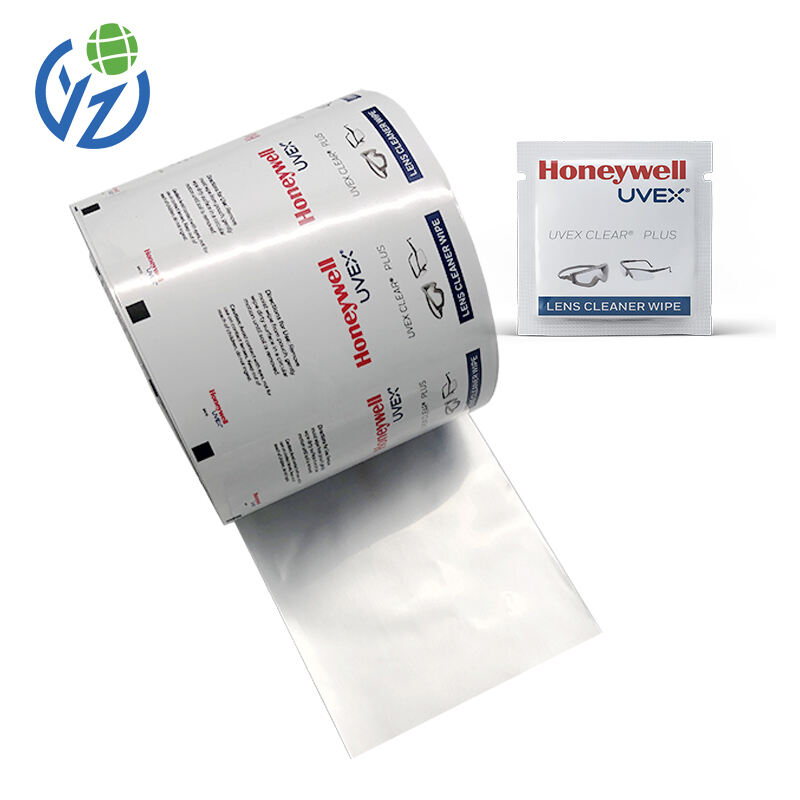
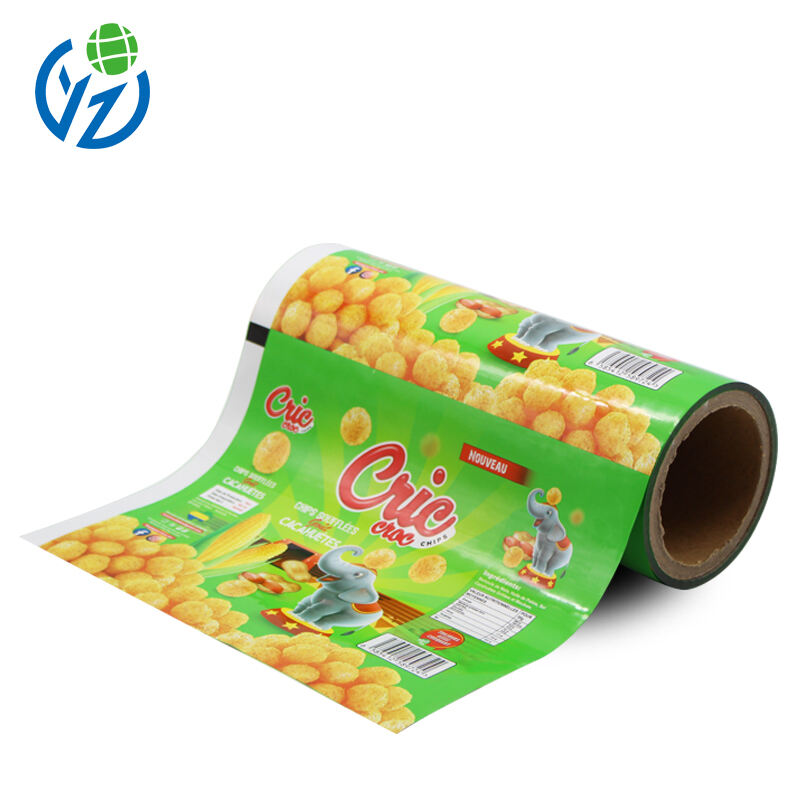
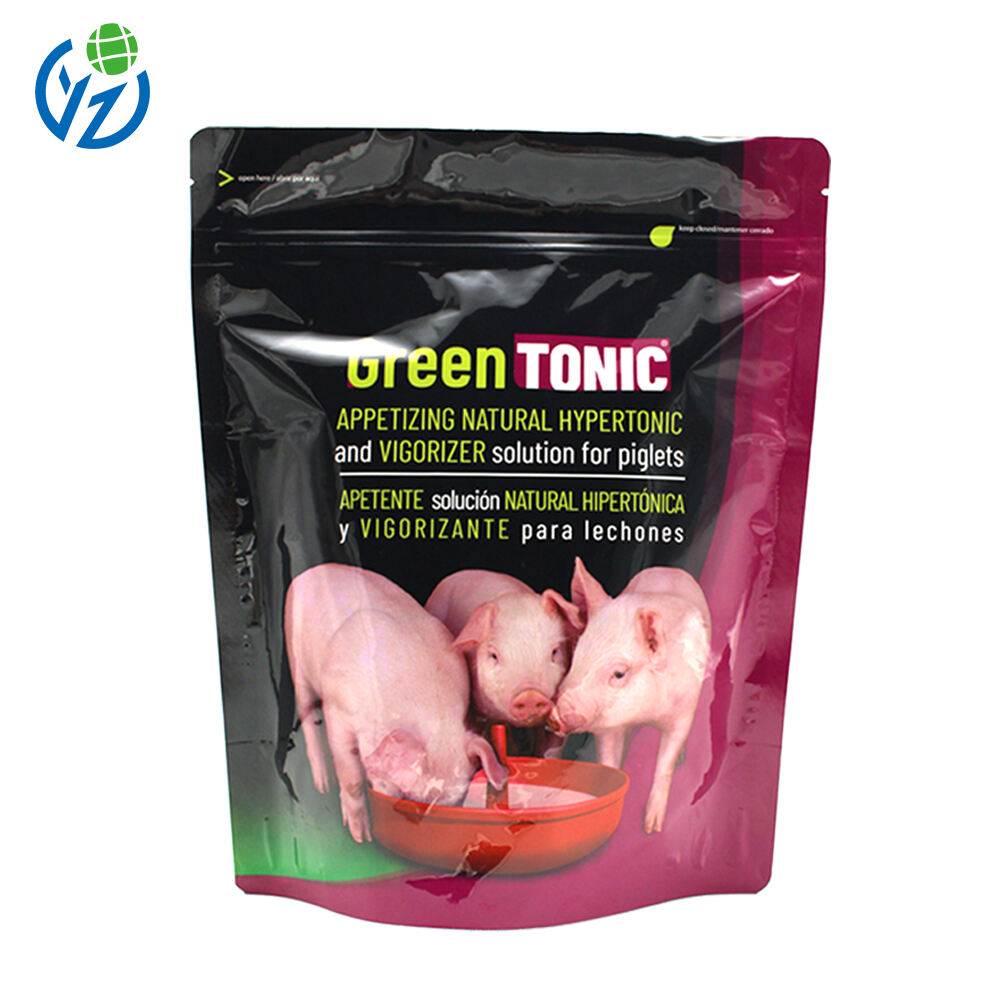
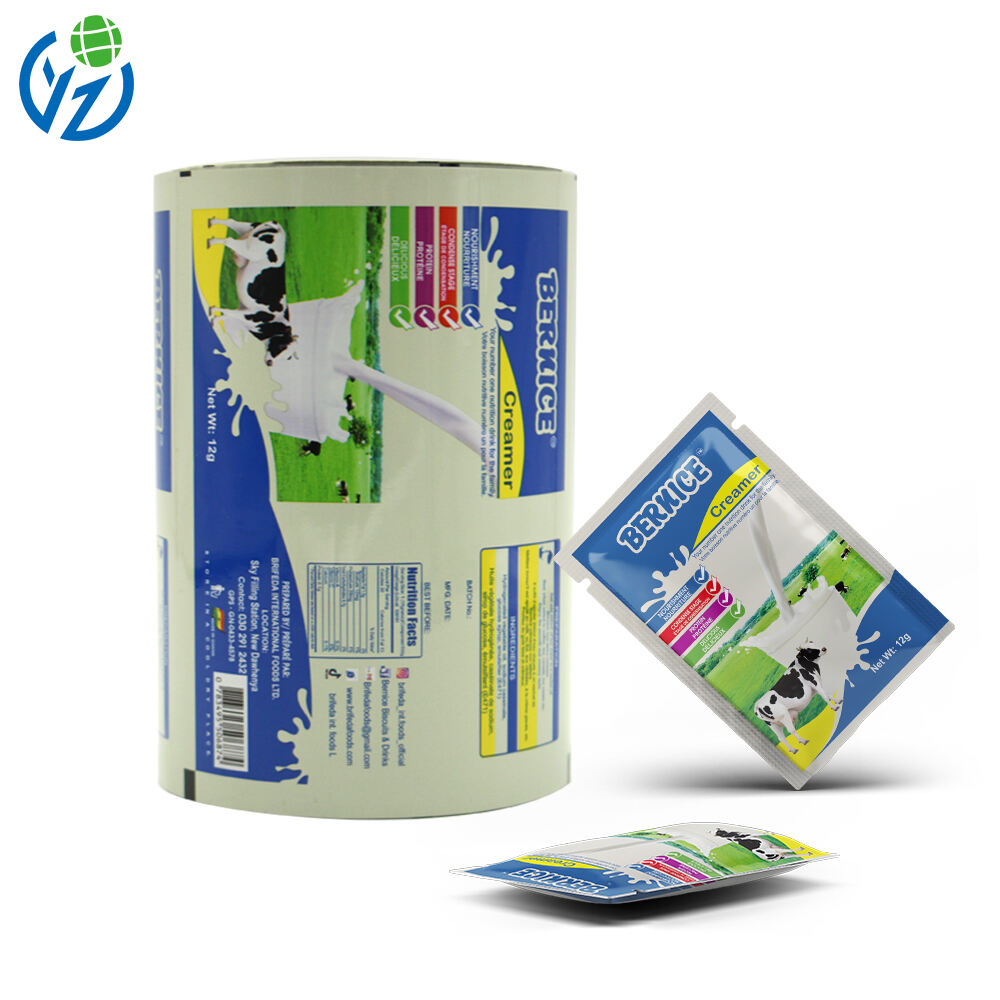
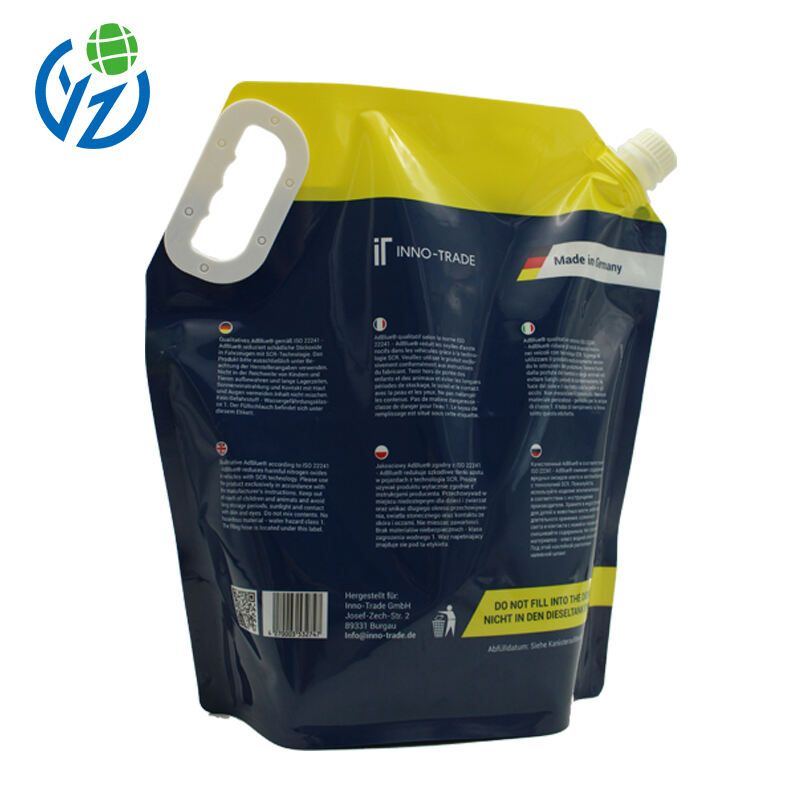
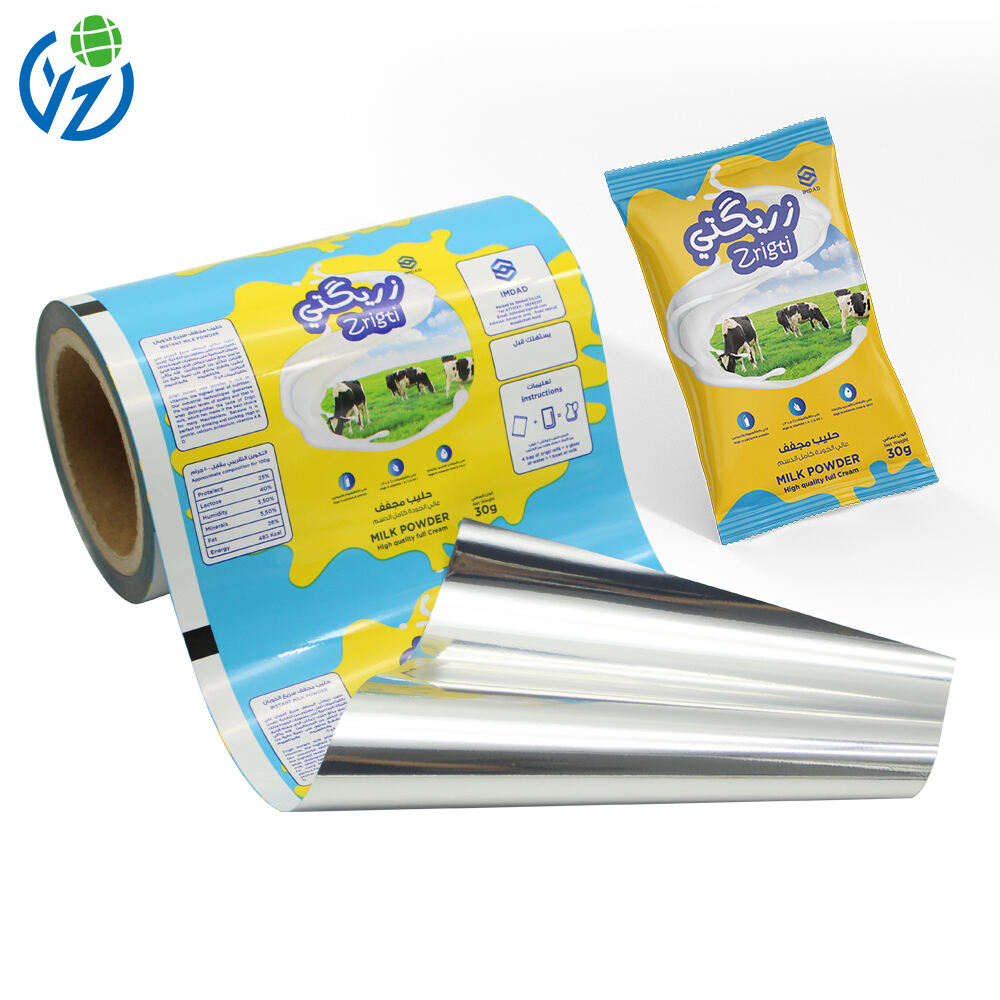
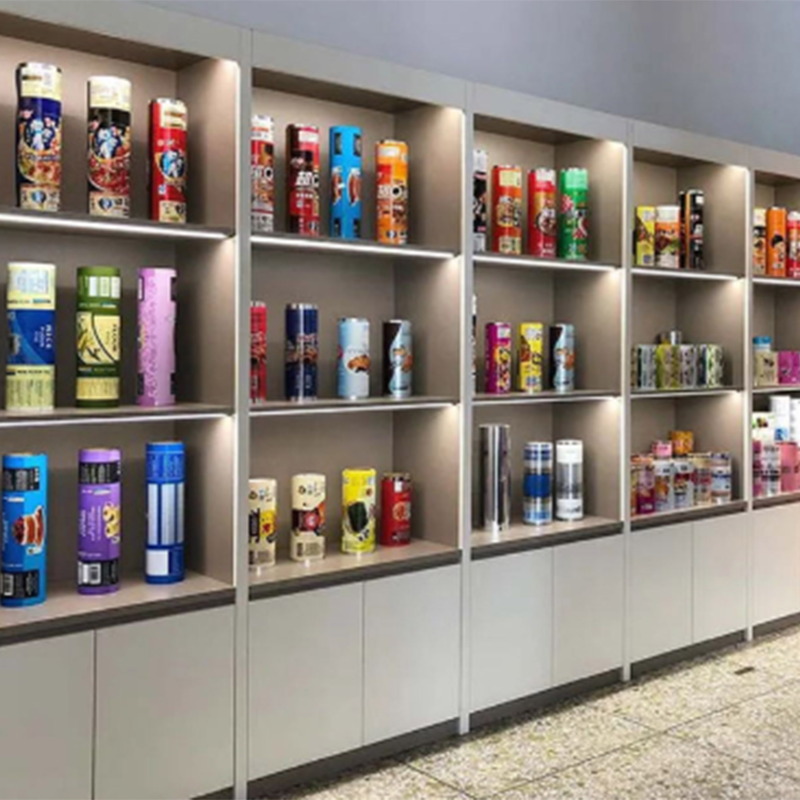
Dibandingkan dengan bentuk kemasan lainnya, seperti kemasan kotak dan bentuk siap pakai lainnya, tubing dan film gulung lebih efisien karena dapat disesuaikan dengan dimensi setiap kemasan, daripada mengandalkan bentuk yang tidak selalu pas dengan tinggi dan lebar kemasan yang bervariasi sehingga menimbulkan limbah berlebih. Material berlebih selama produksi merupakan salah satu penyumbang terbesar limbah kemasan. Limbah film gulung selama produksi sangat minimal. Digabungkan dengan faktor-faktor biaya lain dalam produksi massal produk yang bergantung pada ketebalan dan kekuatan material konstruksi, keunggulan tingkat limbah yang berkelanjutan dari film gulung menghasilkan biaya operasional lini kemasan yang cukup baik. Bagi perusahaan-perusahaan ini yang mengemas produk dalam volume tinggi, film gulung merupakan pilihan film yang lebih hemat biaya dibandingkan opsi lainnya.
Film gulung kecepatan tinggi kompatibel dengan paket kecepatan tinggi. Film gulung baru yang hemat waktu dirancang untuk bekerja dengan mesin vertikal bentuk-isi-segel (VFFS) baru yang hemat waktu guna mengurangi waktu henti. Waktu henti dapat disebabkan oleh kebutuhan pengisian ulang film gulung. Memiliki lebih banyak paket produksi secara inline mengurangi frekuensi pergantian film gulung hemat waktu. Dengan paket besar, efisiensi film gulung dalam mengemas paket besar membuat biaya pengemasan setiap paket besar menjadi lebih kecil.
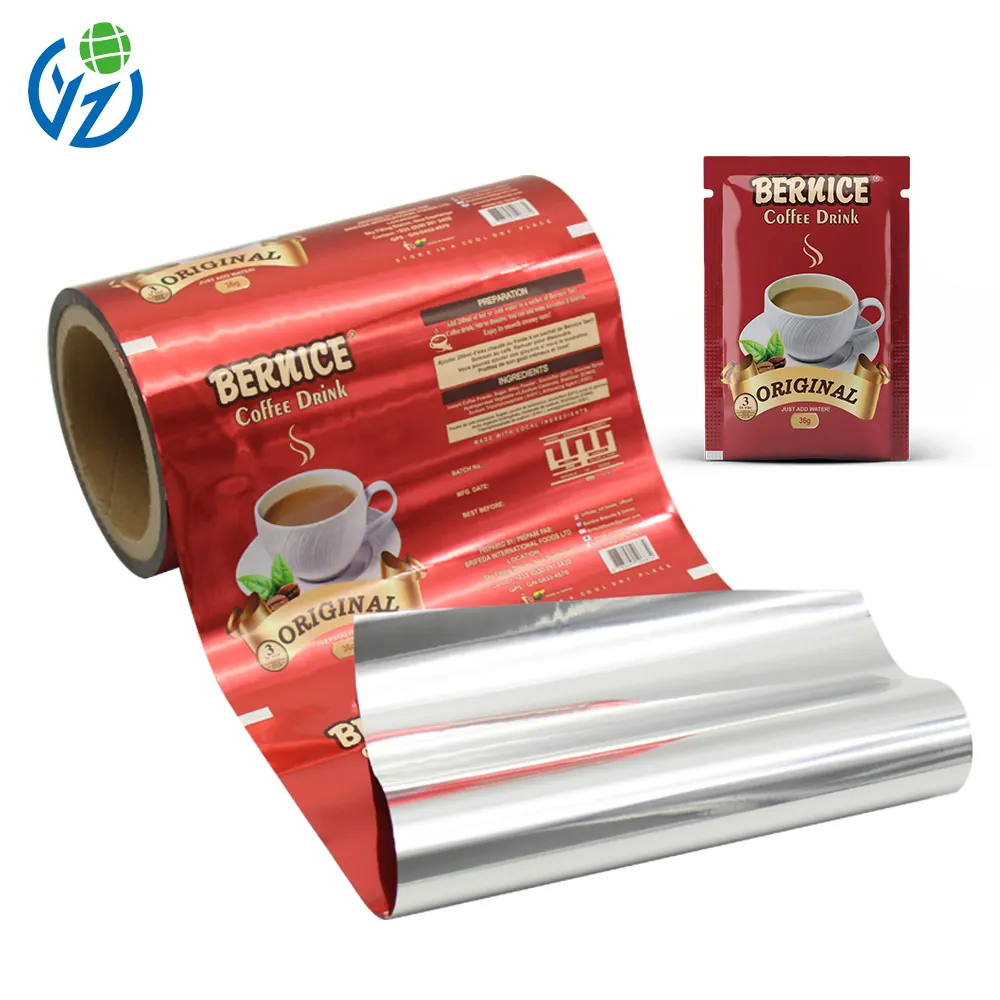
Fitur penghalang dari film gulung secara positif memengaruhi sisi biaya dengan membantu melindungi produk serta memperpanjang masa simpannya. Film gulung berkualitas tinggi dapat disesuaikan untuk melindungi barang dari kehilangan kesegarannya, dengan memberikan penghalang terhadap faktor lingkungan penyebab kerusakan utama seperti kelembapan, oksigen, cahaya UV, dan bahkan gas lainnya. Kerusakan serta kerugian akibat produk kadaluarsa atau rusak merupakan biaya besar bagi hampir semua bisnis, terutama yang melakukan pengemasan dalam skala besar. Perlindungan film gulung ini sangat dibutuhkan untuk makanan, minuman, dan produk farmasi. Alih-alih mengeluarkan dana tambahan untuk sistem pencegahan kerugian, film gulung memberikan penyedia layanan dagang pilihan perlindungan tambahan yang bernilai lebih.
Efisiensi biaya adalah aspek lain yang ditawarkan oleh film gulungan. Perusahaan memiliki opsi untuk membeli film dengan panjang, lebar, dan persyaratan spesifikasi tertentu, sehingga menghilangkan kebutuhan untuk membeli dan menyimpan berbagai jenis kemasan jadi. Produk yang dikemas akan menghemat biaya perusahaan terkait persediaan yang tersedia, biaya penyimpanan, dan biaya gudang. Selain itu, kemasan bermerek diintegrasikan dan dicetak langsung pada film, yang menghilangkan kebutuhan akan pelabelan dan komponen kemasan lainnya. Solusi yang dioptimalkan serta penghapusan bentuk kemasan lain ini menghemat biaya secara signifikan secara keseluruhan.
Keberlanjutan penting bagi konsumen, dan bagi distributor besar, film gulung merupakan pilihan hemat biaya untuk kemasan serta menawarkan aspek keberlanjutan. Sebagian besar film gulung terbuat dari bahan ringan yang dapat didaur ulang, sehingga mengurangi biaya transportasi. Truk yang lebih ringan memuat beban berarti lebih sedikit bahan bakar terpakai, yang dalam jangka panjang berarti penghematan besar. Selain itu, lebih baik menggunakan film gulung berkelanjutan untuk menghindari kehilangan penjualan atau denda akibat penggunaan bahan kemasan yang bisa memicu keluhan keberlanjutan. Film gulung berkelanjutan meningkatkan citra perusahaan dengan menunjukkan kepedulian terhadap lingkungan, serta menekan biaya operasional dalam jangka panjang.
Kualitas yang andal diperlukan untuk kemasan curah yang efisien secara biaya, dan film gulungan memiliki kemampuan ini. Praktik jaminan kualitas yang cermat selama produksi memastikan bahwa setiap gulungan memenuhi standar kekuatan ketahanan terhadap lubang, hambatan, daya segel, dan kinerja. Keseragaman ini menghilangkan kemungkinan kegagalan kemasan yang menyebabkan kerugian akibat kerusakan produk, penarikan kembali produk, dan pelanggan yang tidak puas. Film gulungan yang andal mempertahankan kualitas yang sama sepanjang ton produksi dan mengurangi frekuensi pemeriksaan ulang, pekerjaan ulang, atau penggantian. Standar operasional yang konsisten pada film kemasan membantu menjaga kepercayaan pelanggan, dan nilai ini tiada tandingannya.
Skalabilitas film gulung adalah pilihan sempurna bagi perusahaan yang mengalami fluktuasi volume produksi. Film gulung dapat dipesan dalam jumlah yang tepat sesuai kebutuhan, baik saat perusahaan perlu meningkatkan pesanan untuk musim sibuk maupun mengurangi selama perubahan permintaan pasar. Fleksibilitas ini menghilangkan risiko kerugian akibat biaya yang hilang karena pembelian bahan kemasan yang terlalu banyak atau terlalu sedikit. Dibandingkan dengan opsi kemasan fleksibel yang memiliki bahan kemasan kaku dengan jumlah pesanan minimum yang besar, film gulung memungkinkan perusahaan menyesuaikan pesanan mereka secara lebih baik terhadap kebutuhan saat ini, sehingga mengurangi tekanan pada arus kas dan memangkas biaya penyimpanan. Fleksibilitas dalam pemesanan ini sangat berharga bagi operasi besar yang perlu menjaga efisiensi biaya dan tetap gesit di pasar yang kompetitif.
 Berita Terpanas
2025-12-23
2025-12-19
2025-12-15
2025-12-09
2025-12-04
2025-11-21
Hak Cipta © 2025 oleh Yuanzhong Color Printing Co.,Ltd. — Kebijakan Privasi
 EN
EN