 EN
EN

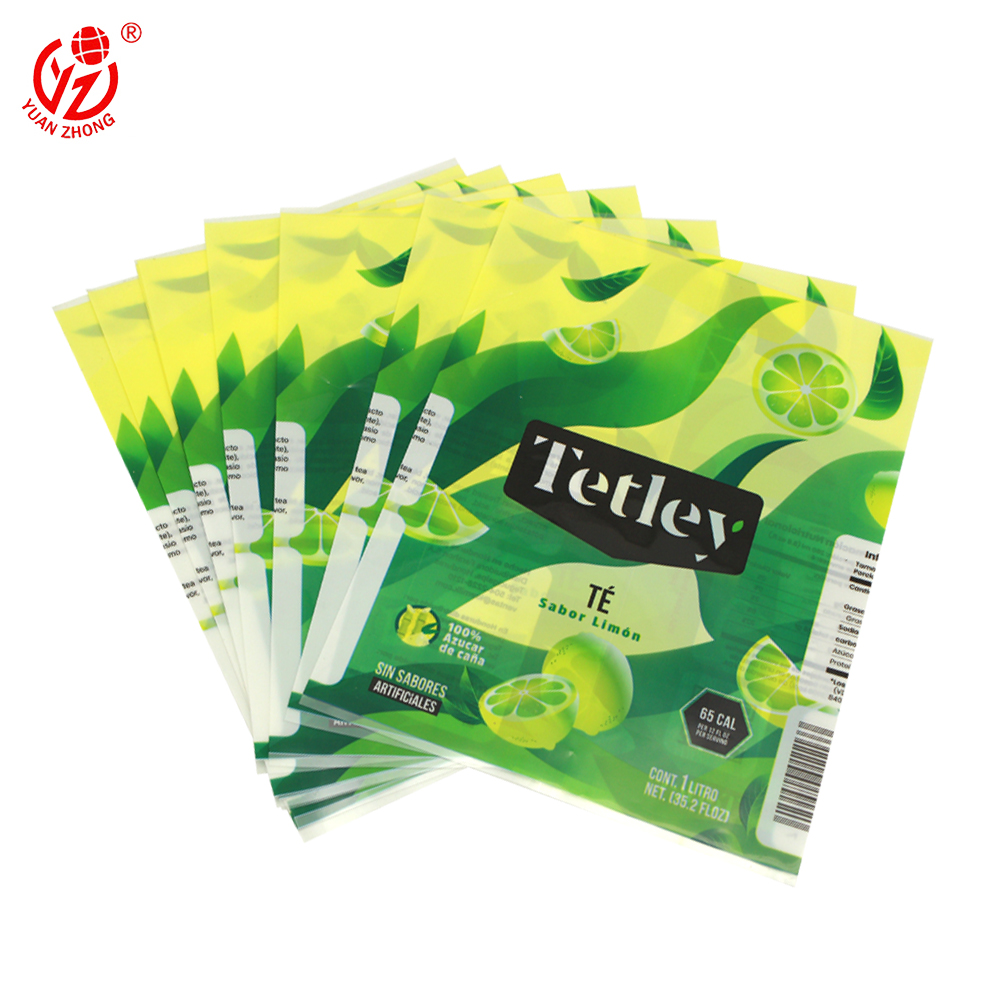
Technical Compatibility
Roll film’s inherent physical properties make it a natural match for most existing packaging line equipment in the market. Decades of experience in the flexible packaging industry has proven that roll film can connect with common packaging machines without large-scale modification or replacement of core components. Its uniform thickness and stable winding structure ensure smooth feeding and conveying during the packaging process, avoiding jams or interruptions that often occur with irregular packaging materials. Different specifications of roll film can be adjusted to match the speed and size parameters of various packaging lines, from small-scale semi-automatic equipment to large-scale fully automatic production lines, achieving seamless adaptation at a technical level.
Operational Simplicity
Standardized production is a key advantage that makes roll film easy to integrate into packaging lines. Professional flexible packaging suppliers produce roll film in accordance with industrial universal standards, and the product specifications are highly unified, which greatly reduces the time of equipment debugging during the replacement and use of materials. The feeding process of roll film is simple and intuitive—only need to fix the film roll on the dedicated shaft of the packaging machine and complete the simple threading operation, which can be mastered by ordinary operators with short-term training. A practical case in the industry shows that packaging lines using standard food-grade roll film can achieve a daily output of 8000 kilograms of finished packaging products, and the downtime caused by material replacement is controlled within a few minutes, maintaining high production efficiency of the entire line.
Compliance Compatibility
For food and beverage packaging lines, compliance with food safety standards is a non-negotiable requirement, and roll film excels in this aspect. Qualified food-grade roll film has passed the testing of authoritative standards such as FDA 21CFR 177.1520, which fully meets the food contact material safety requirements of the global market. This compliance means that roll film can be directly integrated into the packaging lines of food, dairy, snack and other industries without additional safety testing or process adjustment for packaging materials. The stable compliance performance also avoids production risks caused by unqualified packaging materials, making the entire packaging line operate in a safe and standardized manner.
Scenario Extensibility
Roll film’s strong adaptability to different packaging processes enables it to be integrated into various types of packaging lines for different product categories. In the snack food packaging line, roll film can be processed into three-side seal bags or stand-up pouches through heat sealing and other processes; in the coffee and milk powder packaging line, high-barrier roll film can be used to achieve airtight packaging to preserve the freshness of products; in the beverage packaging line, spout pouch roll film can be seamlessly connected with filling and sealing equipment to complete leak-proof packaging. This extensibility makes roll film a universal packaging material for multiple production lines in the same enterprise, realizing the sharing of packaging materials and reducing the management cost of production lines.
Cost Adaptability
Roll film brings obvious cost advantages to the integration of packaging lines, which is an important reason for its wide application. Compared with pre-made bags and other packaging materials, roll film has a higher material utilization rate, and the leftover materials generated during the production process are less, effectively reducing material waste. At the same time, the simple integration process of roll film saves the cost of equipment transformation and labor training, and the high matching degree with the packaging line improves the overall operation efficiency of the line and reduces the unit packaging cost of products. Industry data shows that packaging lines using roll film can reduce overall packaging costs by up to 30% compared with traditional packaging materials, which is a significant cost optimization for large-scale production enterprises.
Commercial Value Conversion
The easy integration of roll film into packaging lines is ultimately reflected in the conversion of commercial value for enterprises. On the one hand, the high efficiency and stability of roll film help the packaging line to achieve higher output, shorten the production cycle of products, and enable enterprises to respond to market demand faster. On the other hand, roll film supports customized printing and processing, and can be combined with the packaging line to complete the one-stop production of product packaging with brand elements. This customized integration not only maintains the consistency of product packaging, but also enhances the brand display effect of products on the shelf. For enterprises operating in more than 30 countries and regions, the easy integration of roll film in different regional production lines also helps to achieve global unified packaging standards and improve the international competitiveness of brands.