 EN
EN

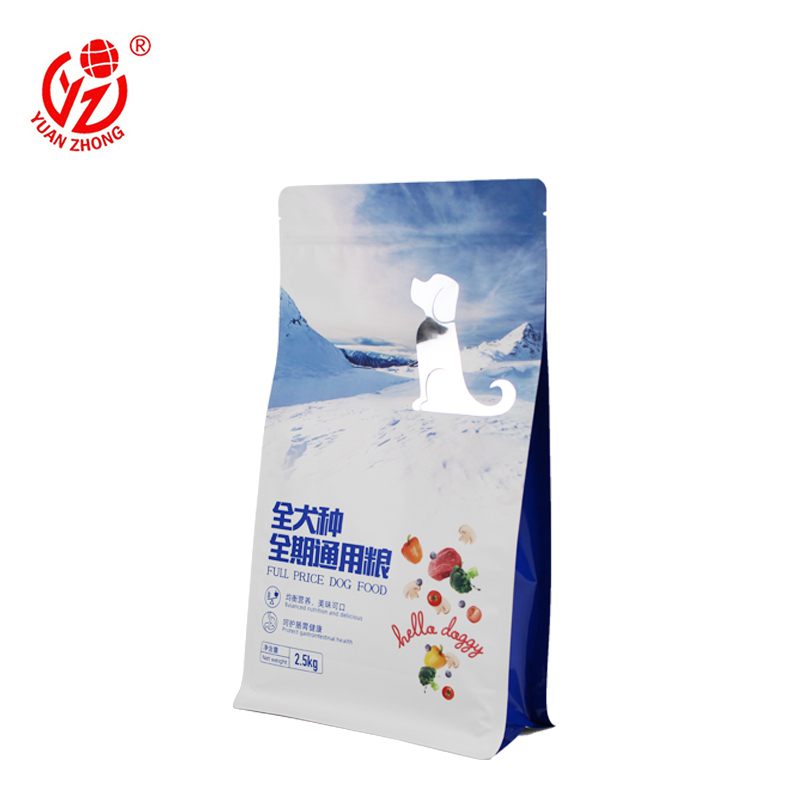
How to store flat-bottom bags
With many food, pet care, coffee, tea, and snack industries using flat bottom bags, understanding how to store these bags is essential to optimize flat bottom bags as a solution for flexible packaging. In the more than 20 years Yuanzhong Packaging has been offering food-grade flexible packaging, we've partnered with customers from 30+ countries and regions to help them optimize flexible packaging.
Temperature Control Regarding Flat Bottom Bags
When it comes to the performance of flat bottom bags, temperature is critical. There is a range of composite plastic films that make high-quality food-grade flat bottom bags, and while they are stable at room temperature, extreme temperature conditions can negatively impact these films. Heat can result in cinema softening, loss of sealing strength, shifting of printed images, and distorting the bags. Extreme cold can make the films more brittle so they can crack, fracture, or break during the handling and transport process. After years of production and customer data, we recommend that flat bottom bags be stored at 15 to 25 degrees Celsius. Bags should be kept away from heating elements, direct sun, outdoor, and poorly insulated outside to keep the temperature stable, ensuring the films stable, and the barriers clear.
Temperature and Packaging Humidity Management
Bag thickness holds a proportional relationship with moisture intake, which directly affects the barrier and print quality on bags. So, for instances where bags are used to house particular shelf-stable goods, all of the films (composite plastics), paper, and tape used to seal the seams will begin to develop problems (wrinkling, loose seals, print and coatings delamination, mold growth). The same holds true with bags that are completely made from plastics. Damp packaging environments severely increase the likelihood of diminished performance and seal integrity of a packaging bag. Professional packaging testing laboratories recommend a range of 40 - 60 % relative humidity for the packaging of food grade products. Use of dehumidifiers and temporary humidity control strategies through the use of barriers (plywood, etc.) will help control moisture issues created by cement surfaces that are too damp, and it will also help to control humidity issues that are created by walls that are too damp. Packaging will remain more visually appealing with intact moisture barrier and oxygen barrier protections, proper control of humidity will also better maintain the integrity and quality of packaged goods.
Avoid Direct Sun and Other Forms of Exposure
The integrity, seal strength, and barrier properties of most packaging films are adversely affected by UV light. The drying of the films can cause seal and barrier properties to lose their effectiveness, making oxygen and moisture barriers are so diminished as to be impractical. The irreversible alteration of the colors and the clarity of prints on films from UV exposure is so strong that near all of the film's print quality is lost, making it near impossible for a consumer to identify the product that had been sealed inside the bag. Packaging brand integrity is adversely affected. Overall flexible packaging is required to be protected from near any exposure light whenever flexible packaging is being stored. Overall, this simple requirement of flexible packaging ensures that packaging brand integrity is easily and quickly preserved.
Safe Stacking and Handling Practices
Flat bottom bags with the highest quality still have the potential to fall victim to deformation, creasing, and sealing damage as a result of improper stacking and handling. Many users stack bags too high, or add heavy items to big bags, creating permanent creases that impact sealing and filling. Overlapped or compressed bags can become weak seals and can lose the ability to hold themselves up on the shelves. These practical rules must be followed: keeping the bags flat, clean and smooth pallets, and a stack height that is safe bags. Practice stacking to maintain the flat bottom, easy filling on the line, and less waste due to damaged packaging. This will improve operational efficiency.
Clean, Pest Free Storage
The storage environment must always remain clean and hygienic for food-grade packaging to comply with packaging regulations: FDA. Dust, dirt, and chemicals can remain on the packaging and transfer to the food themselves, creating a range of contamination. Example of a hygienic issue and a pack damaging situation are passing of small animals. Choose a storage space that is isolated and designated. This space must be away from odor sources, along with waste storage. The storage environment must also be cleared of any dirt, and pest control should be done with the appropriate method. This space should not use oils, greases, or cleaning agents that include strong chemicals. By keeping a clean storage space, quality and safety are maintained, consumer health protected, and regulations complied with food safety.
Separate Storage by Batch and Specification
The organization of flat bottom bags by batch, specification, material, and production date assists in the efficient management of inventory and quality control. When flat bottom bags are mixed by size, thickness, or barrier type, production lines become confused. This results in filling errors or wasted packaging. Separating bags by batch helps control and track production dates and ensures first-in‑first-out rotation, so bags are utilized while materials perform at their best. Improved labeling reduces operational errors, enhances workflow efficiency, and maintains quality control. This practice is common among stable food manufacturers, co-packers, and brand owners.
Conclusion
The shelf life of the product, brand reputation, packaging performance, and cost efficiency are all influenced by the storage conditions of the flat bottom bags. Safe stacking, storage at optimal temperature and humidity, and organized batch storage ensure the bags' functions and their visual aspect. Yuanzhong Packaging is a food-grade flexible packaging manufacturer. They produce excellent quality flat bottom pouches with reliable barrier characteristics and stably sealed structures. They offer excellent guiding solutions to their customers to help maximize their products' value.