 EN
EN

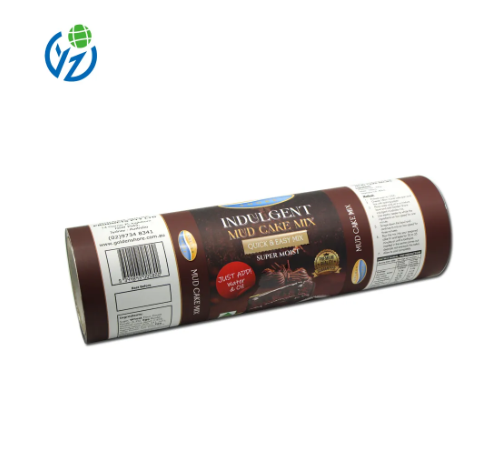
Common Uses of Roll Film in Packaging
Food Packaging: Freshness First
Roll film is everywhere in food packaging, and it’s no wonder why. When you snack on chips, grab a pack of cookies, or pop open frozen dumplings, you’re probably peeling back roll film. It’s a champion at blocking air and moisture, so chips stay crunchy and dumplings stay juicy. For fresh meat and cheese, the film hugs the product tightly, keeping the steak bright red and the cheese perfectly creamy. Baked goods like bread and pastries also love it; the film lets in a tiny bit of air to keep them soft but keeps out enough to prevent mold. It’s like a cozy, invisible shield for the foods you love.
Daily Necessities: Bright and Ready to Go
Take a stroll down the daily necessities aisle and you’ll spot roll film everywhere. It hugs shampoo bottles, seals detergent packs, and even wraps those tiny cream sachets. Brands love it because the film lets them print super-bright colors—ideal for showing off a logo or a cool ingredient list. The film also laughs in the face of water, so it won’t crinkle or fade if the shampoo thinks it can leak out. It wraps snugly around the bottle, keeping the contents protected and the shelf looking sharp.
Industrial Packaging: Tough Love for Heavy Lifting
In the factory, roll film is the unsung hero of industrial packaging. It swathes metal parts, nests small tools, and even secures giant rolls of fabric. The material is built to shrug off knocks and bumps while it rides in the truck. Dust and scratches don’t stand a chance, so the parts show up looking like they just came off the showroom floor. It may not have glitter, but it delivers day in and day out without a hitch.
Medicine Packaging: Safety First
For any medicine, roll film is the best choice. This flexible material packages tablets, capsules, and sometimes small medical devices. What makes this film unique is its sterility and the way it blocks bacteria, moisture, and light. These barriers are key, because any of those can make the medicine less effective or even unsafe. You will often spot tablets in blister packs made from this roll film. The layout is snug and secure, yet the pockets are designed to pop open easily when it’s time to take the dose.